
Puerto Rico’s Hidden Gems: A Journey Beyond the Tourist Trail
Having lived in Puerto Rico, I know how easy it is for travelers to focus only on San Juan, El Yunque, and the island’s best-known beaches. Those places are worth visiting, but they are only one part of the island’s story.
Some of the experiences that stay with you most are found in the mountain towns, roadside food stops, historic communities, and quieter stretches of coast beyond the usual itinerary. Puerto Rico rewards travelers who are willing to slow down, drive beyond the obvious stops, and build a trip around culture, food, mountains, beaches, music, and local communities.
From experience: Puerto Rico is easy to underestimate. It is close and familiar to many U.S. travelers, so it is often treated like a simple beach trip. The strongest itineraries usually combine San Juan with at least one region beyond the tourist trail.
Old San Juan is famous for a reason, but it should not be the whole trip
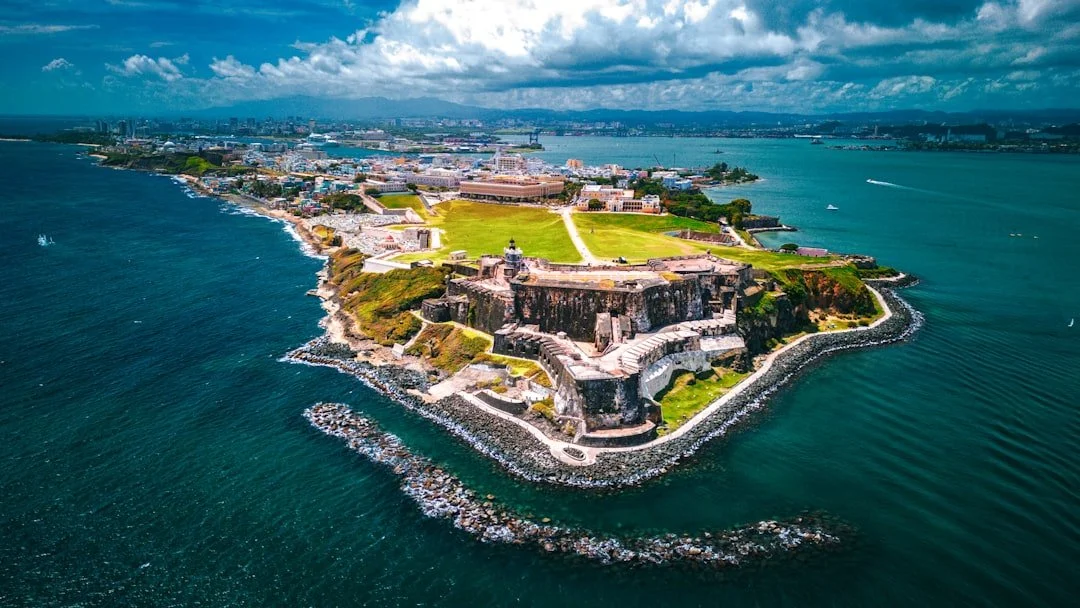
An aerial view of El Morro and Old San Juan captures the Puerto Rico most travelers recognize first: colorful streets, historic walls, ocean views, and one of the Caribbean’s most iconic gateways.
That familiar starting point can be valuable because it gives the trip context. But from my own experience, the mistake is stopping there. The real magic begins when you use San Juan as a launch point for places like Loíza, Guavate, Ponce, the central mountains, quieter beaches, coffee country, and the island’s natural night-glow experiences.
The enchanted forests of Toro Negro
Deep in Puerto Rico’s mountainous interior, Toro Negro State Forest offers a cooler, greener side of the island. Instead of beach crowds and resort pools, think winding roads, mountain air, forest trails, waterfalls, natural swimming areas, and broad views across the central region.
This is the kind of stop that works best when it is planned intentionally. The drive, weather, road conditions, and time of day all matter. For travelers who like hiking and nature, Toro Negro can add a completely different texture to a Puerto Rico itinerary.
Planning note: Do not treat mountain stops like a quick detour between beach days. Give yourself enough time, wear proper shoes, and build the day around the drive as much as the destination.
Secluded beaches and coastal coves
Puerto Rico’s famous beaches get plenty of attention, but the island also has quieter coastal areas where the pace feels slower. On the southwest coast, Playa Buyé in Cabo Rojo is a good example of the kind of beach day many travelers actually picture when they say they want something more relaxed: calm water, a laid-back atmosphere, and enough local character to feel different from a resort beach.
The southwest can also pair well with a broader itinerary that includes Ponce, La Parguera, Cabo Rojo, or a food-focused day in the mountains. That is where Puerto Rico becomes more than a beach escape. It becomes a road trip with a point of view.
The historic streets of Ponce
Often overshadowed by San Juan, Ponce gives travelers a different window into Puerto Rico’s history and architecture. The city’s plaza, colorful buildings, museums, cafés, and the instantly recognizable Parque de Bombas make it a worthwhile stop for travelers who want more than a beach-and-resort itinerary.
Ponce works especially well as part of a southern or southwestern Puerto Rico route. It can be a day trip for some travelers, but it becomes more interesting when you give it room in the itinerary and pair it with nearby food, coast, or cultural stops.
Hidden art, music, and culture in Loíza
Loíza is one of the most culturally meaningful stops a traveler can make near San Juan. Known for Afro-Puerto Rican heritage, bomba traditions, vejigante masks, beachside food, and the nearby Piñones area, Loíza offers a deeper sense of place than many quick tourist stops.
This is not a place to rush through just to say you went. Loíza is best experienced with respect, curiosity, and enough time to appreciate the food, music, art, and history that shape the community.
Local insight: Loíza is not simply another sightseeing stop. Its food, music, and Afro-Puerto Rican traditions deserve time and respect. Support local businesses, use local guides when appropriate, ask before photographing people, and remember that these are real communities, not themed attractions.
Guavate and Puerto Rico’s lechón tradition
For travelers who plan trips around food, Guavate in Cayey deserves a serious look. Often associated with Puerto Rico’s “pork highway,” the area is known for lechoneras serving slow-roasted pork, traditional sides, music, and a lively weekend atmosphere.
This is the kind of experience that is difficult to understand from a list of restaurants online. The fun is in the drive, the energy, the smells, the crowds, the plates, and the feeling that you have stepped into a local tradition instead of another polished tourist stop. It is one of the experiences I most often recommend when travelers want Puerto Rico to feel more local and less generic.
Authentic local cuisine beyond the obvious dishes
Mofongo and arroz con gandules are famous for a reason, but Puerto Rico’s food story is much bigger than a few well-known dishes. Smaller restaurants, roadside stands, bakeries, kiosks, lechoneras, coffee stops, and neighborhood cafés often create the meals people remember most.
That might mean bacalaítos near the coast, lechón in the mountains, fresh pastries with strong coffee, or a casual lunch that was never part of the original plan. A good Puerto Rico itinerary leaves room for those moments.
Coffee culture in the mountains
Puerto Rico’s central mountain region is essential for travelers who want to understand the island beyond its beaches. Coffee farms, mountain towns, green landscapes, and cooler air create a completely different pace from the coast.
If coffee is part of your travel personality, consider building in time for a hacienda visit, tasting, or mountain café stop. This can pair well with a slower itinerary focused on food, scenery, and local culture rather than trying to rush from one attraction to another.
Kayaking and glowing water in Puerto Rico’s bioluminescent bays
Puerto Rico is one of the best places in the world to experience bioluminescent water, but the right bay depends on your itinerary. Vieques, Fajardo, and La Parguera all offer different logistics, settings, and travel tradeoffs.
This is exactly where planning matters. Moon phase, weather, transportation, tour availability, and where you are staying can all affect the experience. I would never add a bio bay simply because it appears on a must-do list; it should be placed in the itinerary with care.
Off-the-beaten-path historical sites
Puerto Rico’s history extends far beyond the most visited landmarks in Old San Juan. Around the island, travelers can find indigenous heritage, smaller museums, historic plazas, chapels, forts, architecture, and local stories that add depth to the trip.
The key is not simply adding more stops. It is choosing the right stops for the kind of traveler you are. Some people want architecture and museums. Others want nature, food, music, or a sense of place. Puerto Rico can support all of those trips, but not every itinerary should try to do everything.
A few more Puerto Rico ideas that can make the trip feel less generic
Not every Puerto Rico trip needs every stop. In fact, trying to fit too much into one itinerary can make the island feel rushed. But these lesser-known ideas can help shape a trip that feels more personal than a standard San Juan-and-beach vacation.
Cañón Blanco in Utuado
A dramatic canyon area in Puerto Rico’s central mountains, Cañón Blanco can add a more adventurous and nature-focused layer to a trip. It is also known for large rock formations and Taíno petroglyphs, which makes it more than just a pretty landscape.
Caguana Indigenous Ceremonial Park
Also in the Utuado area, Caguana gives travelers a deeper connection to Puerto Rico’s Taíno heritage. This is a strong fit for travelers who want history and culture without relying only on the colonial landmarks of Old San Juan.
San Germán and Porta Coeli
San Germán is one of Puerto Rico’s most historic towns, with a walkable historic district and the Porta Coeli site. It pairs especially well with a west or southwest route that includes beaches, Cabo Rojo, or Ponce.
Cabo Rojo, La Playuela, and the salt flats
Cabo Rojo can feel very different from the San Juan side of the island. The cliffs, lighthouse area, salt flats, seafood, and beaches like La Playuela can make the southwest feel like its own mini-trip.
Mar Chiquita in Manatí
Mar Chiquita is a photogenic north coast beach known for its natural cove-like shape. It can be a good option for travelers who want a coastal stop without automatically defaulting to the same famous beach names.
Guajataca Tunnel and the northwest coast
The old Guajataca train tunnel near Isabela and Quebradillas adds a quick dose of history, scenery, and coastline. It can work well as part of a northwest route with Isabela, Aguadilla, or Rincón.
La Parguera
La Parguera in Lajas can add mangroves, water, local food, and a different kind of southern coastal atmosphere. It is also one of Puerto Rico’s bio bay areas, though the experience should be planned carefully around conditions and responsible operators.
Piñones and the Loíza coastline
Close to San Juan but culturally distinct, Piñones and the Loíza coastline can be a great food-and-culture stop when travelers want something more local without driving across the island.
What travelers often miss: The best version of this trip is not “do all of these.” It is choosing the right two or three hidden gems based on where you are staying, how much you want to drive, and whether your trip is more about food, beaches, culture, history, or nature.
How to turn these hidden gems into a real Puerto Rico trip
This is where a lot of Puerto Rico planning goes wrong. Travelers find a list of interesting places, save everything to a map, and then realize the island is more complicated than it looked online.
- Start with San Juan or the metro area. Use it for arrival logistics, Old San Juan, restaurants, and easy access to Loíza or Piñones.
- Add a culture and food day. Loíza, Guavate, or Ponce can each add a very different layer to the trip.
- Choose one nature focus. Toro Negro, a coffee region, the southwest coast, or a bio bay will usually work better than trying to force all of them into one short trip.
- Leave room for the drive. Puerto Rico rewards slower travel. The roads, mountain routes, weather, and timing matter.
- Match the lodging to the route. Staying in one place can be simple, but splitting the stay may make sense for travelers who want to explore beyond San Juan.
A personalized itinerary can help decide what belongs in your trip and what should wait for the next one.
A few ways this could come together: a San Juan + Loíza + Guavate food and culture trip, a San Juan + Ponce + Cabo Rojo southwest route, a central mountains trip with coffee country and Utuado, or a west coast itinerary built around Isabela, Guajataca, Rincón, and relaxed beach time.
Respect the places that make Puerto Rico special
As you explore beyond the most familiar stops, remember that your trip is not only about the places you visit. It is also about the people who call those places home.
Support local businesses. Be patient on rural roads. Follow posted rules at beaches, forests, and bio bays. Avoid treating cultural communities like photo backdrops. The hidden gems that make Puerto Rico special stay special when travelers approach them with respect.
- Choose locally owned restaurants, guides, and shops when possible.
- Build in enough time so you are not rushing through small communities.
- Confirm conditions before visiting beaches, trails, and natural sites.
- Respect parking, private property, and fragile natural environments.
Want help planning a Puerto Rico trip beyond the tourist trail?
I can help you turn ideas like Loíza, Ponce, Guavate, Toro Negro, coffee country, beaches, and bio bays into a realistic itinerary that fits your timing, pace, budget, and travel style.
Because I have lived in Puerto Rico, I can help you compare where to stay, what to skip, how much to include, and how to make the trip feel personal instead of copied from a list.
Start Planning a Puerto Rico TripThis guide is intended for trip inspiration. Conditions, access, tours, hours, and availability can change, so details should be confirmed before travel.