
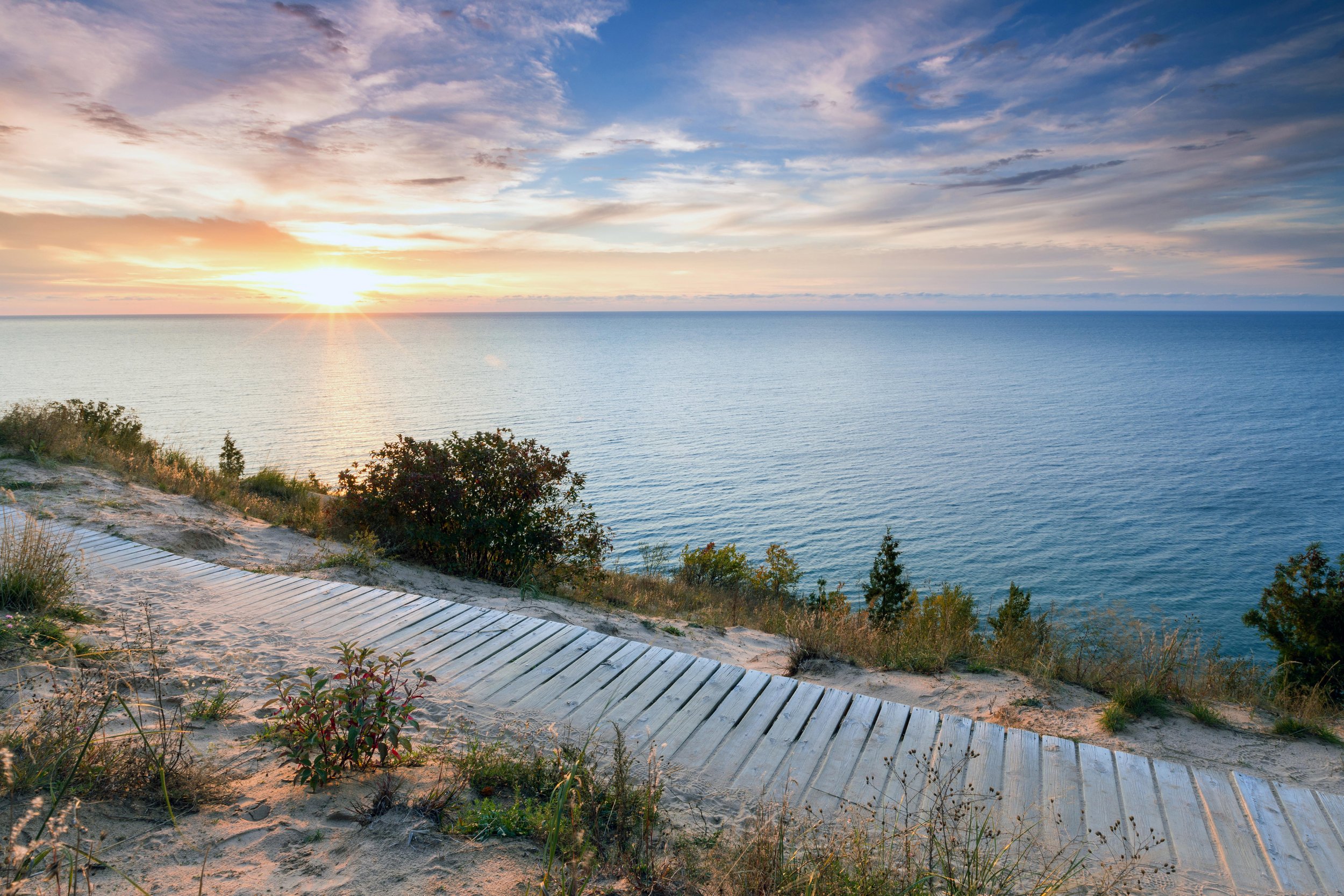
Great Lakes Cruises
Cruise the Great Lakes by small ship, from Chicago and Mackinac Island to Georgian Bay, Niagara Falls, the Soo Locks, and the St. Lawrence. We help narrow the route, ship, cabin, and travel logistics without charging planning or booking fees.
Small ships, big scenery, and five legendary lakes
A Great Lakes cruise sits somewhere between river, ocean, and expedition cruising. The ships are small, the water can feel surprisingly open, and the routes connect major cities with islands, locks, canals, and communities built around the lakes.
Small-ship access
Smaller vessels can reach islands, canals, harbors, and shoreline communities that large ocean ships cannot visit.
Five distinct lakes
Routes may cover one lake, several lakes, or all five, creating very different maps and travel experiences.
Destination-first travel
The day is usually about the port, the water, or the region rather than a long list of onboard attractions.
What is a Great Lakes cruise really like?
A Great Lakes cruise does not feel like the Caribbean, and it does not feel exactly like a river cruise either. Some stretches are wide and open enough to feel ocean-like, but the ships stay small.
Some itineraries are straightforward small-ship cruises built around ports and sightseeing. Others use expedition equipment, scientists, naturalists, and more active excursions. The right choice depends on how you want to spend the day, not which ship has the longest amenities list.
- Smaller ships and fewer passengers than mainstream ocean cruises
- Routes combining U.S. and Canadian ports or fully domestic U.S. itineraries
- Major cities paired with islands, locks, canals, and natural areas
- Options ranging from classic small-ship cruising to expedition-style travel
- A seasonal sailing window from late spring into fall
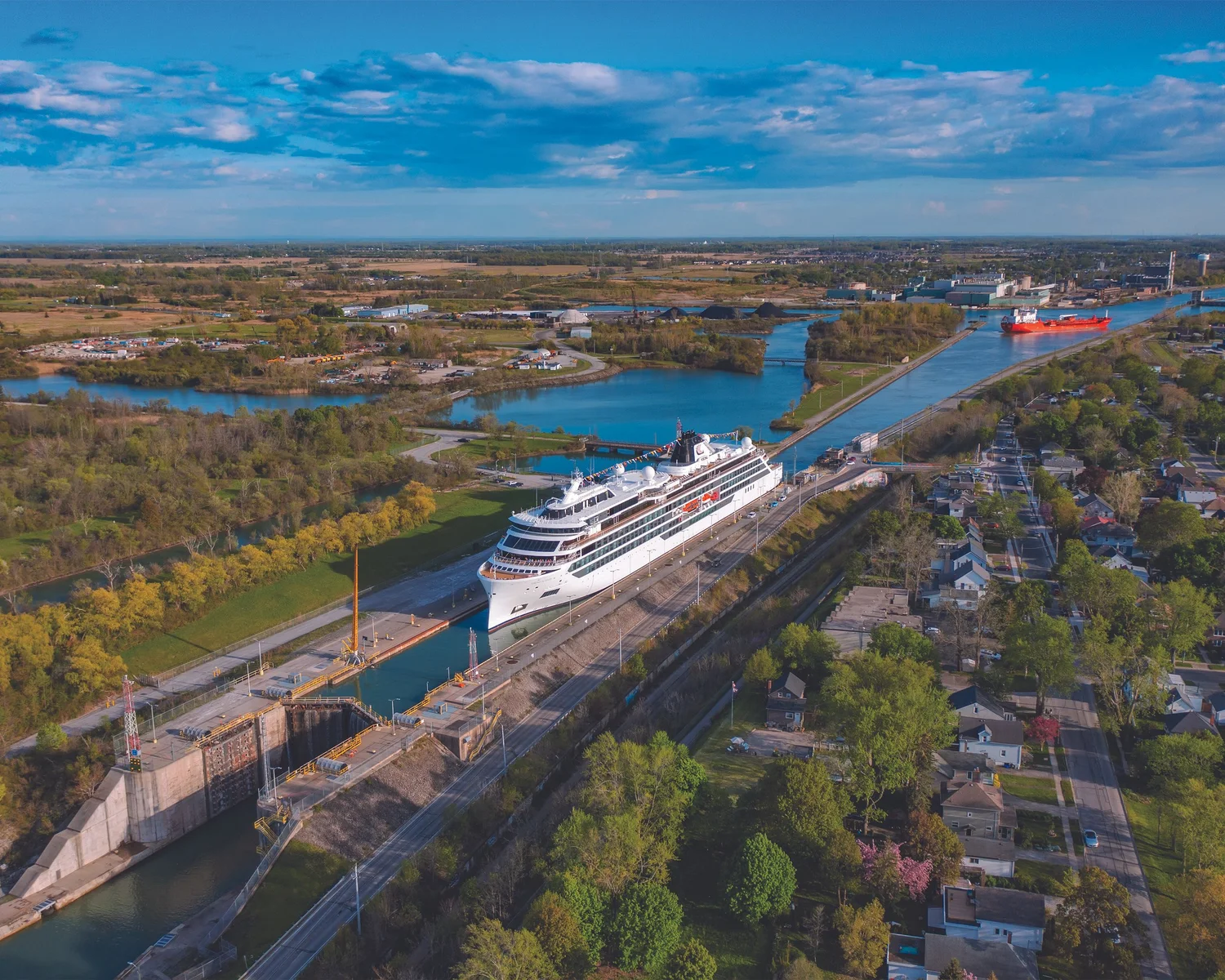
Which cruise lines sail the Great Lakes?
The major operators approach the Great Lakes very differently. Viking leans expedition, Victory is more classic small-ship, American Cruise Lines offers domestic options, and Ponant brings a more international yacht-style product.
Viking Expeditions
Modern expedition ships, destination lectures, science-focused programming, and routes that may connect all five Great Lakes.
Victory Cruise Lines
Victory focuses heavily on the Great Lakes, with classic small-ship itineraries connecting major cities, maritime communities, and historic ports.
American Cruise Lines
American Cruise Lines is especially useful for travelers who want a U.S.-focused itinerary and fewer cross-border logistics.

Ponant
Ponant offers a more international, yacht-style experience with greater emphasis on design, service, and onboard refinement.
Not sure which fits?
We start with the actual map and sailing date, then look at ship size, cabin, inclusions, activity level, and total trip cost.
Popular Great Lakes cruise itinerary styles
Start with the map. A cruise covering two lakes can feel completely different from one that crosses all five or continues into the St. Lawrence.
All five Great Lakes
Longer voyages may connect Lake Ontario, Erie, Huron, Michigan, and Superior while including the Welland Canal, Detroit River, Mackinac Island, and Soo Locks.
U.S.-only Great Lakes
Domestic itineraries appeal to travelers who want Great Lakes scenery and small-ship cruising without Canadian port calls.
Georgian Bay and Lake Huron
These routes emphasize dramatic shorelines, islands, natural areas, Indigenous history, and communities shaped by the water.
Great Lakes and St. Lawrence
Some voyages continue east through Lake Ontario, the Thousand Islands, and the St. Lawrence, pairing the lakes with Québec or Atlantic Canada.
More than scenery alone
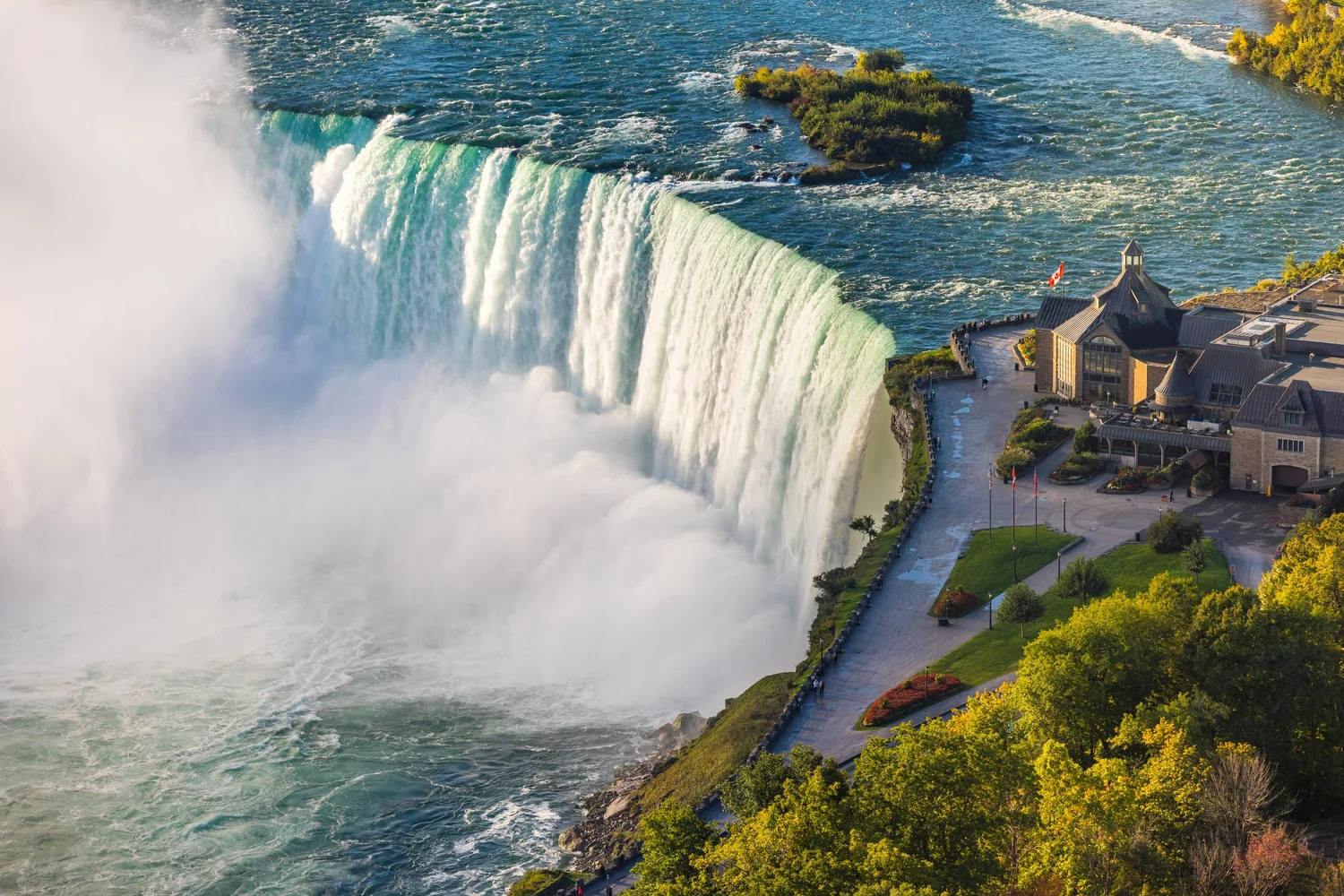
One of the strengths of the Great Lakes is the contrast. A route can pair Chicago or Detroit with Mackinac Island, Georgian Bay, the Soo Locks, or a small maritime community a day later.
A traveler interested in museums and architecture may prefer a route weighted toward Chicago, Detroit, Cleveland, Milwaukee, and Toronto. Someone drawn to nature may prioritize Georgian Bay, Lake Superior, the Upper Peninsula, and protected island areas.
- Chicago architecture and lakefront culture
- Mackinac Island’s car-free historic setting
- Detroit’s museums, music, and industrial history
- Niagara Falls and the engineering of the Welland Canal
- Georgian Bay, Lake Superior, and the Upper Peninsula
- Soo Locks and the working maritime economy of the lakes
Best time for a Great Lakes cruise
Most Great Lakes cruises sail from late spring into fall. Your best month depends on whether you care more about warmer sightseeing weather, fewer crowds, or a shot at fall color.
May through June
Cooler temperatures, fresh greenery, fewer peak-summer crowds, and brisk conditions near Lake Superior or during open-water sailing.
July through August
Long daylight hours and warmer sightseeing weather make midsummer appealing, but preferred cabins may sell earlier.
September into October
Cooler days and seasonal color can be beautiful, though conditions vary across the large geographic range of the lakes.
How Great Lakes cruises compare
Great Lakes cruising borrows pieces from river, coastal, ocean, and expedition travel, but the mix changes by ship and route.
Compared with river cruising
Great Lakes ships may feel similar in size and destination focus, but the lakes are wider, more open, and capable of producing more noticeable motion.
Great Lakes cruising
Expect small ships, city and island ports, locks and canals, cross-border logistics, maritime history, and routes that can feel both familiar and unexpected.
Compared with ocean cruising
Ships are smaller and entertainment is quieter. The focus is generally on enrichment, scenery, regional culture, and time ashore.
Important Great Lakes cruise planning details
The most common surprises are practical ones: passports, open-water motion, mobility, weather, and itineraries that start and end in different cities.
Passport requirements
Most itineraries visiting Canada require valid passports for U.S. citizens. Fully domestic itineraries may have different documentation rules.
Water and motion
The lakes can be calm, but they are large bodies of water. Travelers sensitive to motion should compare ship size, cabin location, route, and season.
Mobility and touring
Historic ports, gangways, expedition landings, and walking tours can vary in difficulty. Accessibility should be reviewed before selecting the ship.
Flights and hotels
Many itineraries begin and end in different cities. Pre-cruise hotels, open-jaw flights, transfers, and border timing should be planned together.
Great Lakes cruise planning guides
Use these guides for a closer look at the ports, water conditions, and the practical differences between Great Lakes, river, and ocean cruising.
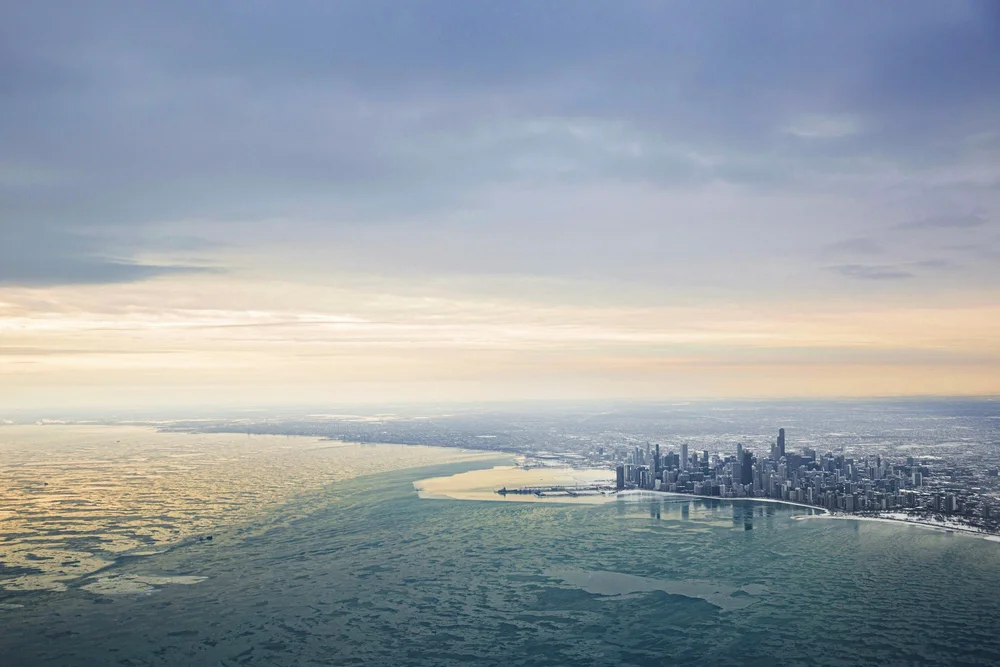
Great Lakes Cruise Ports Guide
Compare major and specialty ports across the United States and Canada and see how the route changes the trip.
Read the ports guide →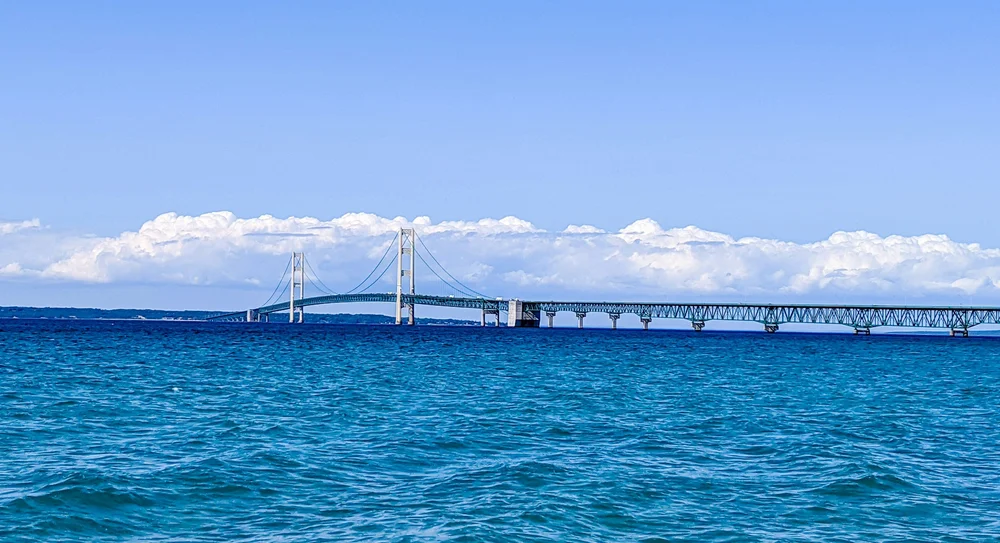
Are Great Lakes Cruises Rough?
Learn what affects waves and how ship design, routing, weather, and cabin location shape the experience.
Read about water conditions →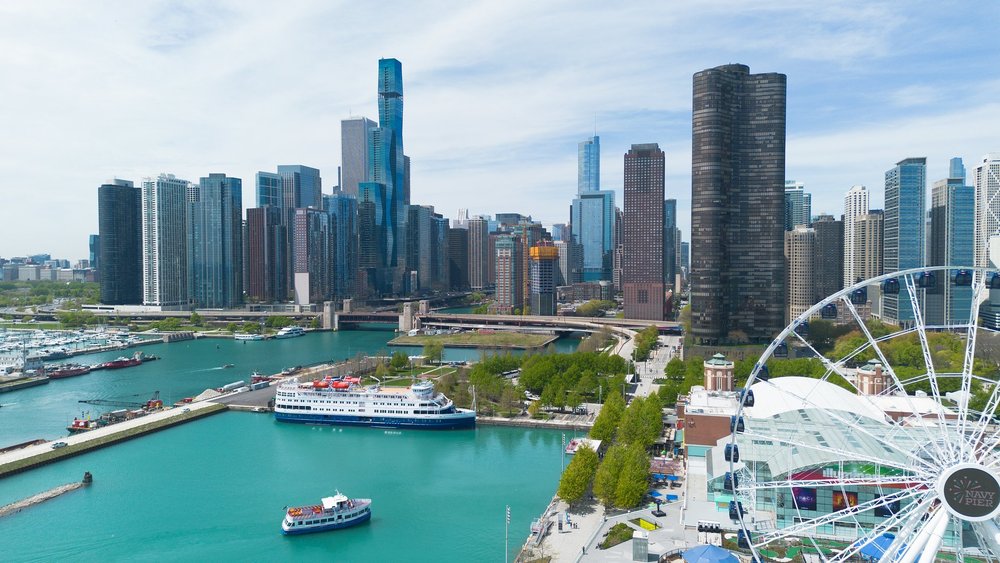
The Hidden Gem Between River and Ocean Cruising
See why Great Lakes cruising has become an appealing alternative for travelers who prefer smaller ships and destination depth.
Read the overview →Choose the Great Lakes experience that fits the way you travel
Great Lakes cruises are not interchangeable. We look at the actual route, ship, cabin, border requirements, flights, hotels, activity level, and what is included before you put down a deposit.
Route matching
We start with the ports you care about, then narrow the number of lakes, sailing direction, trip length, and whether a U.S.-only route matters.
Ship and cabin guidance
Ship style, balcony versus window, cabin location, mobility, and sensitivity to motion all deserve a closer look.
Support throughout
You have one person who already knows the trip when questions, supplier changes, or final-document deadlines come up.
Great Lakes Cruise FAQs
Start planning your Great Lakes cruise
Tell us when you want to travel, which ports or regions interest you, and what matters most onboard. We’ll narrow the options from there.