
Great Lakes Cruises: The Hidden Gem Between River and Ocean Adventures
Great Lakes cruises occupy a space of their own. They combine the smaller ships, destination focus and close-up scenery travelers often associate with river cruising with the open water, varied routes and sense of distance found on an ocean voyage.
These are not simply river cruises on wider water, and they are not miniature versions of a Caribbean sailing. A Great Lakes itinerary may move through locks and protected channels one day, cross a broad inland sea the next and then dock near a major city, historic island or remote shoreline.
For travelers who have already explored Europe’s rivers or sailed familiar ocean routes, the Great Lakes can offer something genuinely different without requiring a transatlantic flight. Our Great Lakes cruise planning page brings the current ships, routes and itinerary styles together in one place.
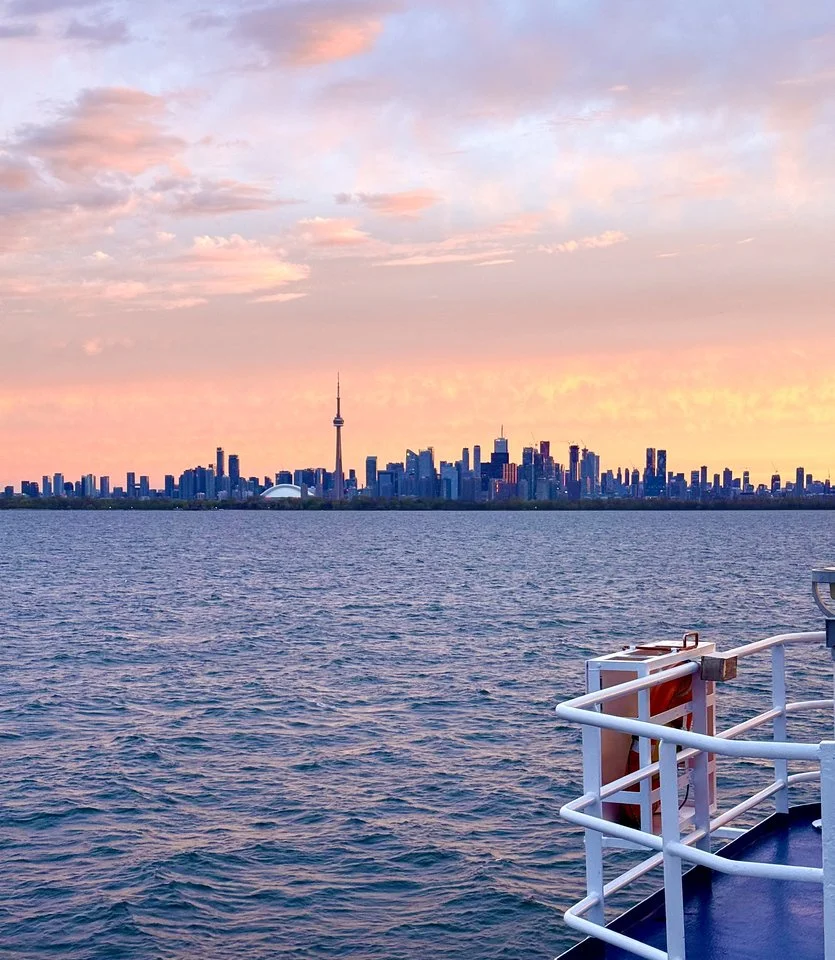
Why Great Lakes cruising feels different
The five Great Lakes form an enormous connected system stretching between the United States and Canada. Ships move through open lakes, rivers, locks, canals, bays and island channels, creating more variety in one itinerary than the phrase “lake cruise” may suggest.
The onboard atmosphere is generally destination-focused. Instead of waterslides, casinos and large entertainment complexes, travelers are more likely to find observation lounges, enrichment programs, regional speakers, included or curated excursions and outdoor viewing areas.
| Travel style | What it usually feels like | Great Lakes comparison |
|---|---|---|
| River cruise | Protected waterways, frequent port calls and scenery close to the ship | Great Lakes voyages share the small-ship scale and destination focus, but include more open-water sailing |
| Great Lakes cruise | A mix of cities, islands, locks, coastal communities and broad lake crossings | The experience can shift between river-like passages, coastal cruising and expedition-style exploration |
| Ocean cruise | Large stretches of open water, bigger ships and a wider range of onboard attractions | Great Lakes ships are much smaller and place more emphasis on the region than on the ship as the destination |
The main types of Great Lakes itineraries
There is no single standard Great Lakes route. Before comparing cabins or promotions, decide what type of journey you actually want.
All five Great Lakes
Longer routes may connect Lake Ontario, Erie, Huron, Michigan and Superior, often between Toronto, Milwaukee, Chicago or Duluth. These provide the broadest regional overview.
Great Lakes and Georgian Bay
These voyages emphasize Mackinac Island, the Soo Locks, Manitoulin Island, smaller Ontario communities and the scenery of Georgian Bay.
Great Lakes and St. Lawrence
Extended itineraries may continue toward Montréal, Québec City or eastern Canada, adding more French-Canadian history and major-city time.
U.S.-only Great Lakes
Domestic routes can focus on American ports such as Buffalo, Detroit, Mackinac Island, Milwaukee, Green Bay and Upper Peninsula communities without crossing into Canada.
Our Great Lakes cruise ports guide explains how major cities, islands, locks and smaller waterfront communities shape each itinerary.
Which cruise lines sail the Great Lakes?
The current market includes boutique coastal ships, domestic small ships and purpose-built expedition vessels. Capacity ranges from about 130 guests to 378, so even the largest Great Lakes options remain far smaller than mainstream ocean ships.
| Cruise line | Current Great Lakes ship style | May appeal to travelers who want |
|---|---|---|
| American Cruise Lines | Modern 130-guest U.S.-built small ship operating domestic Great Lakes itineraries | A U.S.-only route, smaller guest count and a fully domestic cruise experience |
| Victory Cruise Lines | Two 190-guest sister ships built for the lakes, canals and coastal ports | Classic all-five-lakes routes, city-to-city voyages and an all-inclusive small-ship format |
| Pearl Seas Cruises | The 210-guest Pearl Mist, with private balconies and Great Lakes, Georgian Bay and St. Lawrence routes | A boutique coastal atmosphere, balcony accommodations and regional depth |
| Viking Expeditions | 378-guest expedition ships designed to transit the Welland Canal | Expedition equipment, science and enrichment programming, and longer regional journeys |
Cruise lines revise itineraries, ships and seasonal schedules, so the exact departure matters more than a general brand comparison. The best choice depends on route, ship size, inclusions, cabin design, activity level and how much time is spent in the ports that matter to you.
When is the best time for a Great Lakes cruise?
The season generally runs from late spring into fall, with most departures concentrated between May and October. The experience changes considerably across that window.
- May and June: Cooler temperatures, fresh spring scenery and the beginning of the regional sailing season.
- July and August: Warmer weather, long daylight hours and peak demand for many routes and cabin categories.
- September and October: Cooler days, changing foliage on some routes and a more distinctly autumnal atmosphere.
Travelers concerned about motion often begin with midsummer, but no month guarantees calm water. The Great Lakes are large bodies of open water, and conditions depend on the lake, route and weather pattern. Our guide to how rough Great Lakes cruises can feel explains the practical differences among the lakes, ships and cabin locations.
Can a Great Lakes cruise save money?
Sometimes—but proximity alone does not make these cruises inexpensive. Small ships carry fewer guests and often include more dining, excursions, beverages or enrichment than a mainstream ocean cruise. That can make the cruise fare look higher even when the total trip is competitive.
Travelers within driving distance or a short flight of Chicago, Milwaukee, Detroit, Buffalo or Toronto may reduce airfare and avoid a transatlantic travel day. Others may still need a connecting flight, hotel stay or international documentation depending on the embarkation point and itinerary.
The better comparison is total trip value: cruise fare, included excursions, drinks, gratuities, transfers, airfare, hotels and the cost of reaching the ship. A lower advertised fare does not always produce the lower final trip cost.
What should you expect onboard?
Great Lakes ships are designed for access rather than spectacle. Their smaller size allows them to navigate locks, canals and ports that cannot accommodate mainstream ocean vessels.
Exact amenities vary, but travelers can generally expect comfortable lounges, open viewing areas, regional lectures, destination-focused programming and dining that is more intimate than a large-ship experience. Some ships lean toward boutique coastal cruising; others feel more like full expedition vessels with science, exploration or outdoor equipment.
The itinerary remains the center of the experience. Days may include the Welland Canal, the Soo Locks, Mackinac Island, Niagara Falls excursions, Georgian Bay, major museums, maritime history and smaller communities that many travelers would not otherwise visit on one trip.
Who is a Great Lakes cruise best for?
- Travelers who value scenery, history and cultural experiences more than large-ship attractions
- River cruisers who are ready for more open water and a different regional story
- Ocean cruisers who want smaller ships and less crowded ports
- Travelers interested in North American maritime history, engineering and inland waterways
- Couples, friends or families who prefer a quieter, destination-focused atmosphere
- Travelers looking for a cooler-weather alternative to tropical summer cruising
A Great Lakes cruise may be less suitable for someone whose top priorities are extensive nightlife, children’s attractions, Broadway-style entertainment or a wide choice of specialty restaurants. The appeal is the route, the region and the access.
Frequently asked questions
Which Great Lakes cruise fits you best?
Beyond the Castle Travel can help compare routes, ships, cabin options, inclusions and the complete trip logistics before you choose a sailing. Our planning support is fee-free.