
The Best Time to Take a River Cruise in Europe: A Month-by-Month Guide
The best time for a European river cruise depends less on finding one perfect month and more on matching the season to the river, weather, scenery, crowds and experiences you care about most.
May, early June and September are strong all-around choices for many travelers. April is best known for Dutch and Belgian tulip cruises. Late November through roughly December 23 is the main Christmas-market window. July and August offer long days, but they can also bring heat, heavier crowds and weather-related river conditions.
No month guarantees ideal temperatures, peak flowers, fall color or perfect water levels. This month-by-month European river cruise guide explains the tradeoffs so you can choose a departure for the experience—not simply the lowest advertised fare.
What is the best month for a European river cruise?
May and September are the best all-around months for travelers who want generally comfortable sightseeing weather and a broad choice of Rhine, Danube, Seine, Rhône and Douro itineraries. Choose April for tulips, June for long daylight, September or October for wine regions, and late November through December for Christmas markets.

Best months for a European river cruise at a glance
Best overall balance
May, early June and September generally provide a strong mix of itinerary choice, comfortable touring and seasonal scenery.
Best for tulips
Late March through early May is the dedicated Netherlands-and-Belgium spring season. Exact blooms remain weather-dependent.
Best for long daylight
June through August provides more evening light and active city life, along with the possibility of heat and larger crowds.
Best for wine regions
September and October align with harvest activity in many vineyard regions, although timing varies each year.
Best for Christmas markets
Late November through about December 23 is the strongest market-focused window on the Rhine, Main and Danube.
Best for fewer school-break crowds
April, May, September and October usually avoid the center of the European and North American summer vacation period.
European river cruises month by month
Most mainstream Rhine, Danube and French river operations pause after the holiday season. January is better used for comparing rivers, cruise lines and cabins than for expecting a broad sailing schedule.
Best for: planning early and securing limited cabins for spring, harvest or Christmas-market departures.
Watch for: very limited European inventory outside specialty programs.
February remains quiet across most European rivers. It can be a useful booking month, but advertised promotions should be compared against cabin location, airfare, transfers and the complete trip cost.
Best for: planning later-year travel while cabin choice is still available.
Watch for: assuming every promotion represents the best value.
The European season begins to reopen, with the first Netherlands and Belgium flower itineraries appearing later in the month. Expect cool mornings, wind, rain and variable garden conditions.
Best for: early flowers, lower-season atmosphere and travelers comfortable packing layers.
Watch for: chilly open decks and blooms that may still be early.
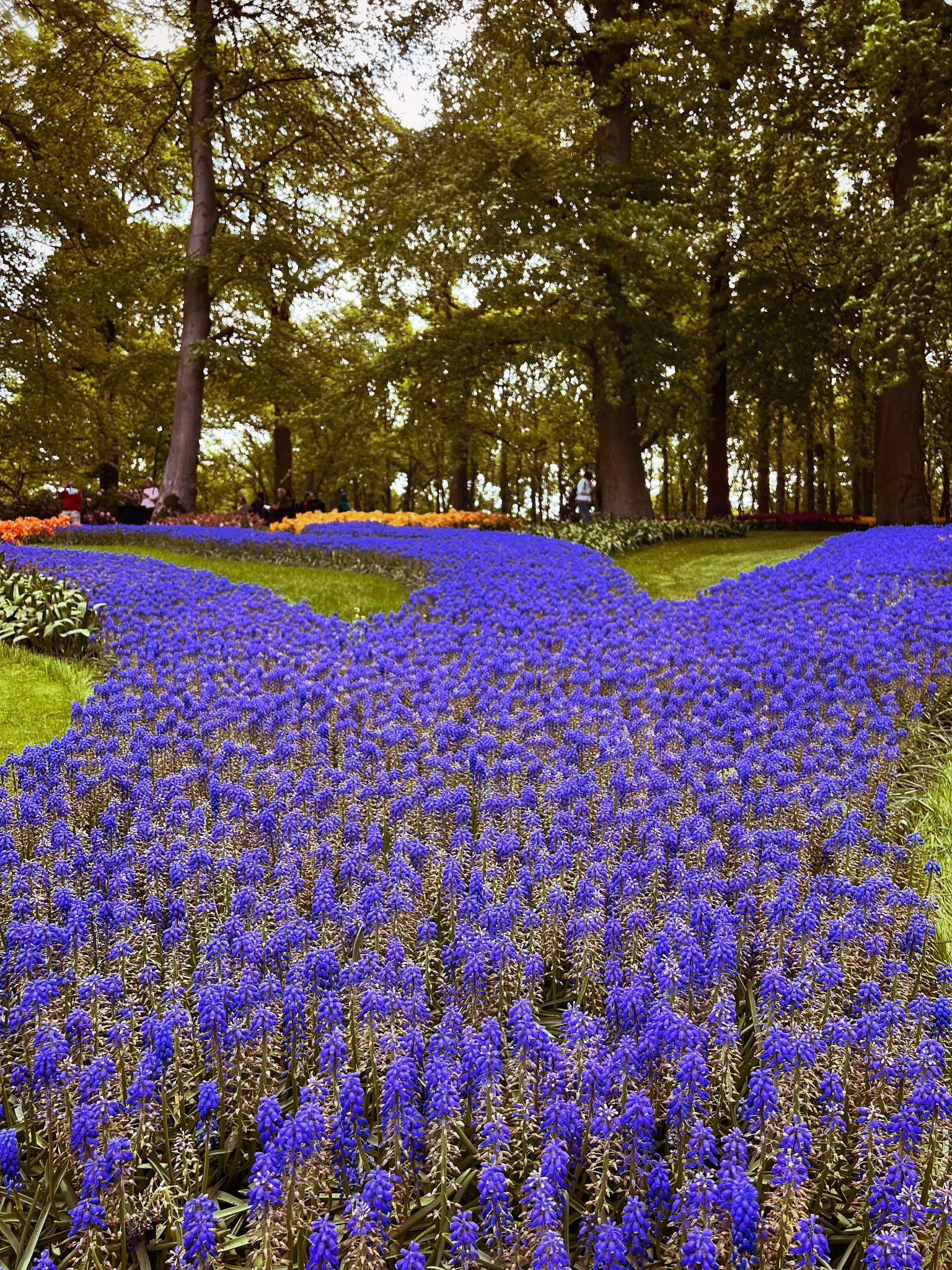
April is the signature month for tulip river cruises through the Netherlands and Belgium. Keukenhof uses staggered plantings, but commercial fields and the precise bloom cycle still depend on weather.
Best for: tulips, Keukenhof, windmills, Amsterdam and Belgian cities.
Watch for: rain, cool temperatures, Easter travel patterns and heavy garden crowds on popular dates.
May is one of the strongest all-around months. The major rivers are operating, landscapes are green and temperatures are often easier for walking than midsummer heat.
Best for: first-time Rhine, Danube, Seine and Rhône travelers seeking a balanced season.
Watch for: increasing demand around holidays and no guarantee of dry weather.
June combines long daylight with a full selection of European routes. Early June can feel different from late June as temperatures and summer visitor numbers rise.
Best for: long sightseeing days, scenic sailing and travelers who enjoy warmer evenings.
Watch for: rising airfare, busier cities and increasingly warm conditions later in the month.
July offers long days, active cities and broad itinerary choice. It can also bring intense heat, school-holiday crowds and drought-related low-water concerns on certain rivers.
Best for: travelers tied to summer schedules and those who prioritize daylight over cooler walking weather.
Watch for: heat in Central Europe, France and Portugal, along with crowded attractions.
August remains warm and busy. The Douro and southern France can be especially hot, while popular European cities may feel crowded even when the river ship itself remains intimate.
Best for: summer vacation schedules, outdoor dining and late sunsets.
Watch for: heat, local holiday closures and possible low-water disruption during prolonged dry periods.
September is another strong all-around choice. Wine regions become a major draw, daytime temperatures may ease and most core European river programs remain fully active.
Best for: Rhine, Moselle, Douro and Rhône wine country, plus travelers avoiding peak summer schedules.
Watch for: strong demand—September is not necessarily a quiet or inexpensive secret.
October brings cooler touring, shorter daylight and possible fall color. Harvest activity may continue, but exact vineyard timing and foliage intensity vary by location and year.
Best for: wine, seasonal food, photography and travelers who prefer a crisp atmosphere.
Watch for: cooler rain, earlier sunsets and reduced open-deck time.
Early November is a quieter transition period. Festive sailings can begin later in the month, but ship decorations and itinerary names do not guarantee that every local Christmas market has opened.
Best for: travelers seeking the start of the holiday atmosphere and selected lower-season departures.
Watch for: cold weather and early festive cruises that precede the main market calendar.
December is built around Christmas-market cruises on the Rhine, Main and Danube. Market-focused sailings, Christmas Day voyages and New Year cruises are different products and should not be treated as interchangeable.
Best for: holiday lights, seasonal food, decorated cities and winter traditions.
Watch for: cold, short daylight and markets that may close around December 23 or 24.
Which month has the best river levels in Europe?
There is no reliable month that guarantees perfect European river levels. Water conditions are influenced by rainfall, snowmelt, heat, drought, river engineering and the specific section of the route. A river can operate normally while another region is experiencing difficulty.
Heavy rain or snowmelt can contribute to high water, while prolonged heat and limited rainfall can produce low water. Either condition may affect docking, bridge clearance or the ship’s ability to complete a planned section. Cruise lines may change ports, use motorcoaches, swap ships or modify the itinerary when conditions require it.
Do not choose a month based only on water-level folklore
Statements such as “spring is always too high” or “summer is always too low” oversimplify the issue. Choose the season for weather and experiences, then review the cruise line’s disruption procedures, travel insurance and any important mobility concerns.
Best time to cruise the Rhine, Danube, Douro, Seine and Rhône
Rhine River
Best broad windows: May, June, September and early October. Choose late November or December for Christmas markets. Spring and fall work well for castle scenery and wine towns without the center of summer heat.
Danube River
Best broad windows: May, June and September. December is excellent for Vienna, Budapest, Regensburg and other festive cities, but market dates must be verified for the actual sailing.
Douro River
Best broad windows: May, June, September and October. July and August can be very hot in the Douro Valley, while early fall adds harvest interest and wine-focused travel.
Seine River
Best broad windows: May, June and September. Spring supports gardens and Giverny-focused travel; fall provides cooler sightseeing for Paris, Rouen and Normandy.
Rhône and Saône
Best broad windows: May, June, September and October. Midsummer can be hot in Provence, while spring and fall are often more comfortable for markets, Roman sites and walking tours.
Netherlands and Belgium
Best seasonal window: late March through early May for tulip-focused itineraries. April is the center of demand, but the precise bloom and weather cannot be guaranteed.
Spring vs. summer vs. fall vs. Christmas river cruises
| Season | Strongest reasons to go | Main tradeoffs | Good fit for |
|---|---|---|---|
| Spring | Flowers, green scenery, cooler sightseeing and the reopening of the main season | Rain, variable temperatures and possible high-water events | Tulip travelers, gardeners and first-time cruisers comfortable with layers |
| Summer | Long daylight, warm evenings, outdoor dining and broad itinerary choice | Heat, crowds, higher air demand and possible drought-related low water | Families, teachers and travelers restricted to summer schedules |
| Fall | Wine regions, harvest atmosphere, cooler walking and seasonal food | Shorter daylight, changing foliage and strong demand in September | Wine lovers, photographers and travelers avoiding peak summer |
| Christmas season | Holiday markets, lights, seasonal food and decorated cities | Cold, short days and different market dates in every city | Travelers prioritizing atmosphere over warm weather |

Use the season to narrow the river—not the other way around
Start with the experience you want: flowers, long summer days, vineyards, food, history or Christmas markets. Then compare the river, itinerary, cruise line, cabin and excursion style available in that period.
A May Danube sailing and a May Douro sailing share a calendar month but not the same weather, terrain or daily experience. The same is true of a December Rhine market cruise and a Christmas Day celebration sailing.
European river cruise timing FAQ
May, June and September are strong all-around choices. September and early October appeal to wine travelers, while late November and December are best for Christmas-market itineraries.
May, June and September offer a useful balance of sightseeing weather and itinerary choice. December is popular for Christmas markets in cities such as Vienna, Budapest and Regensburg.
Early-season and transition-period departures may sometimes cost less, but pricing varies by river, cruise line, cabin and promotion. Compare the complete vacation cost, including airfare, hotels, transfers, gratuities and included excursions.
Prolonged heat and drought can contribute to lower water during summer or early fall, but there is no fixed low-water month. Conditions vary by river, region and year, and disruption is possible in multiple seasons.
Heavy rainfall and snowmelt can raise river levels, often creating concern during spring, but high-water events are weather-driven rather than guaranteed by the calendar.
Tulip river cruises generally operate from late March into early May, with April at the center of the season. Keukenhof uses multiple flower varieties and staggered plantings, but outdoor blooms remain weather-dependent.
Late November through approximately December 23 is the strongest market-focused window. Early festive sailings may begin before all markets open, while Christmas Day and New Year voyages may operate after some traditional markets close.
Not for every traveler, but heat can make walking tours less comfortable, especially on the Douro, Rhône and Danube. Review excursion timing, cabin climate control and your tolerance for sustained outdoor sightseeing.
Choose your month with the full trip in mind.
Beyond the Castle Travel can help compare rivers, cruise lines, cabins, seasonal experiences, flights, hotels, transfers and the practical differences between similar-looking itineraries.