
What Is an Expedition Cruise? A Complete First-Timer’s Guide
An expedition cruise uses a ship as a base for exploring places that are difficult—or sometimes impossible—to experience on a conventional vacation. The ship still matters, but the destination, wildlife, field team, landing operations, and ability to adapt are what shape the voyage.
That can mean stepping ashore near penguin colonies in Antarctica, traveling by Zodiac beneath Arctic cliffs, following naturalists through the Galápagos, kayaking along an Alaskan shoreline, or exploring remote communities and cultural sites in Greenland.
Expedition cruising is also one of the most misunderstood parts of the cruise industry. Not every expedition ship is tiny. Not every voyage is physically demanding. Not every luxury ship provides the same depth of exploration, and the most expensive option is not automatically the best match. Choosing well requires looking beyond the destination name.
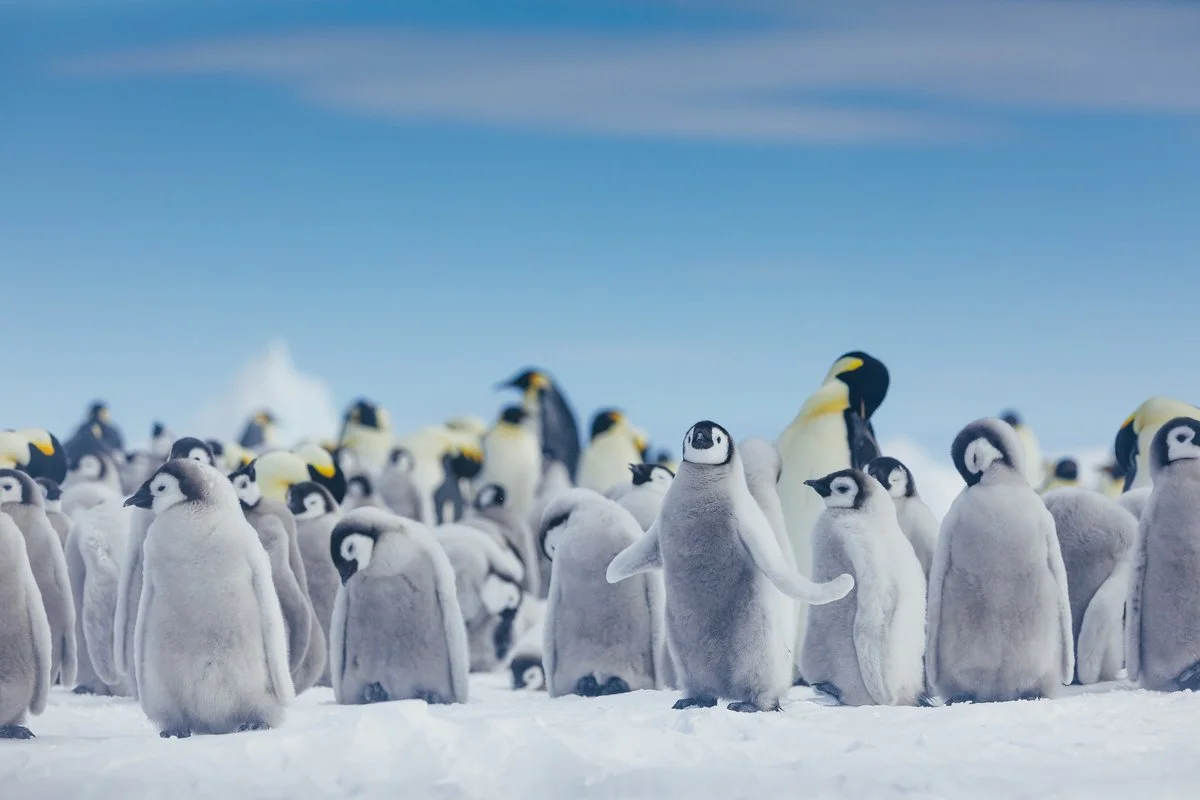
What makes a cruise an expedition?
A smaller ship sailing to an unusual destination is not automatically an expedition cruise. A true expedition program normally combines the ship, a qualified field team, specialized equipment, and a flexible operating plan.
- A destination-first itinerary: the reason for traveling is the environment, wildlife, history, or culture—not a long list of onboard attractions.
- An expedition team: naturalists, historians, geologists, marine biologists, photographers, ornithologists, or regional specialists help interpret what guests are seeing.
- Small-craft exploration: Zodiacs, kayaks, special operations boats, or other landing craft extend the voyage beyond the ship.
- Flexible daily operations: the captain and expedition leader may adjust plans around weather, ice, wildlife, tides, safety, local rules, and landing conditions.
- Daily briefings and recaps: guests learn what happened, what was observed, and what the team hopes to attempt next.
- Responsible-visitor procedures: biosecurity, wildlife-distance, cultural-site, and environmental rules are part of the experience.
The word flexible is important. A conventional itinerary may promise a named port at a set time. An expedition itinerary often promises a region and a style of exploration. The daily plan may change because a landing is unsafe, a wildlife opportunity appears elsewhere, sea ice moves, or another location provides a better experience.
Expedition cruise versus traditional ocean cruise
| Consideration | Expedition cruise | Traditional ocean cruise |
|---|---|---|
| Primary focus | Wildlife, landscapes, education, culture, and access | Ports, resort amenities, dining, and entertainment |
| Daily schedule | Flexible and conditions-dependent | Generally published and fixed in advance |
| Shore experience | Zodiac outings, landings, hikes, kayaking, field interpretation | Port visits and scheduled shore excursions |
| Onboard atmosphere | Casual, educational, destination-oriented | Ranges from casual resort to formal luxury |
| Entertainment | Lectures, wildlife viewing, briefings, photography, science | Shows, casinos, nightlife, pools, attractions, and activities |
| Best mindset | Curious, flexible, comfortable with uncertainty | Prefers predictability and a broad resort experience |
There is overlap. Some expedition ships offer spas, multiple restaurants, suites, butlers, and polished luxury service. Some traditional small ships provide strong enrichment. The distinction is not whether the ship is comfortable—it is whether exploration drives the voyage.
How small are expedition ships?
The old shorthand that expedition ships carry only 100 to 200 guests is no longer accurate. Modern expedition vessels range from intimate yachts to ships carrying several hundred guests. Size affects atmosphere, landing logistics, onboard facilities, stability, and the number of people moving through each activity group.
In Antarctica, the International Association of Antarctica Tour Operators classifies 13–200 passenger and 201–500 passenger vessels as landing-capable categories, while vessels carrying 501 or more passengers are cruise-only. That does not mean every landing-capable ship operates identically; the actual experience still depends on site rules, group rotation, staffing, equipment, and itinerary design.
More intimate and nimble
Often creates fewer activity groups, a closer community, and a more expedition-forward feel. It may also have fewer restaurants, smaller cabins, and less onboard infrastructure.
More facilities and stability
May provide larger public spaces, more dining, enhanced medical facilities, specialized equipment, and greater comfort at sea—but more guests must rotate through operations.
What is a typical day like?
There is no guaranteed “typical” day, which is part of the appeal. Still, many voyages follow a rhythm that looks something like this:
- Morning briefing or wake-up announcement: the expedition leader explains conditions and the plan.
- Breakfast and gear preparation: guests dress in layers, collect life jackets or boots, and report to assigned groups.
- Morning exploration: a landing, Zodiac cruise, hike, cultural visit, kayak outing, or wildlife search.
- Lunch and repositioning: the ship may move while guests eat, rest, edit photos, or attend a presentation.
- Afternoon exploration: a second landing or a different activity, conditions permitting.
- Recap and next-day briefing: specialists discuss sightings and explain the tentative next plan.
- Dinner and informal enrichment: conversation often centers on what happened outside rather than scheduled nightlife.
Weather days and sea days are not empty. They may include lectures, bridge viewing, photography workshops, citizen-science participation, wildlife spotting, spa time, or simply watching the landscape from the ship.
What is a Zodiac?
A Zodiac is a rigid inflatable boat commonly used to move small groups between the ship and shore or to explore coastlines, ice, caves, mangroves, and wildlife areas. Guests usually sit along the inflatable sides while an expedition-team member operates the boat.
Some outings involve a dry landing at a dock or stable surface. Others involve a wet landing, where guests step into shallow water and walk onto a beach. Boarding method, step height, seating, handholds, and weather protection vary by operator and ship. Newer ships may also use enclosed special operations boats or protected internal marinas to make boarding more comfortable.
Where do expedition cruises go?
Antarctica and the Arctic receive much of the attention, but expedition cruising is a global category. The destination should be chosen around the experience you want—not simply because one region appears on every “bucket list.”
Antarctica
Best known for enormous ice, penguin colonies, seals, whales, Zodiac cruising, and remote landings. Some itineraries add South Georgia, the Falkland Islands, or the Antarctic Circle.
Svalbard, Greenland & the Arctic
Offers sea ice, tundra, walrus, reindeer, seabirds, remote settlements, and the possibility—but never a guarantee—of polar-bear sightings.
Galápagos Islands
A strong first expedition for travelers who value wildlife, guided walks, snorkeling, and a structured national-park experience without polar temperatures.
Alaska
Small-ship routes can explore coves, fjords, glaciers, forests, and wildlife areas beyond the standard large-ship port pattern.
The Kimberley
Australia’s remote northwest combines tidal systems, cliffs, waterfalls, islands, cultural interpretation, and warm-weather exploration.
Amazon expeditions
Uses small boats and naturalist-guided outings to explore tributaries, flooded forest, wildlife, and local communities.
Great Lakes
Blends expedition equipment and enrichment with geology, maritime history, Indigenous culture, islands, and North American ports.
South Pacific and beyond
Some operators explore Melanesia, Micronesia, Indonesia, Papua New Guinea, Japan, Africa, and other culturally rich or hard-to-reach regions.
When is the best time to go?
Expedition seasons follow wildlife, weather, daylight, ice, water levels, and local access. There is rarely one universally “best” departure. Different weeks can produce different experiences.
- Antarctica: generally operates during the Southern Hemisphere’s spring and summer, with early-season ice, midsummer nesting activity, and later-season whale opportunities creating different tradeoffs.
- High Arctic and Svalbard: typically centers on the long daylight of late spring through summer, with sea-ice conditions changing throughout the season.
- Galápagos: operates throughout the year, but water temperature, currents, rainfall, vegetation, and wildlife behavior vary by season.
- Alaska: generally operates from spring into early fall, with daylight, wildlife, weather, and glacier access changing across the season.
- Kimberley: voyages are planned around the region’s dry season, heat, tides, and waterfall conditions.
Instead of asking only “What is the best month?” ask, “Which wildlife, activity, weather pattern, and level of ice or greenery matters most to me?”
How active do you need to be?
You do not need to be an athlete for many expedition cruises, but “casual luxury” should not be confused with an entirely passive vacation. The basic experience may involve:
- Stepping between the ship or marina and a small boat
- Sitting on a Zodiac tube or bench while the boat moves over uneven water
- Walking on rocks, snow, sand, mud, ice, or uneven trails
- Using stairs and moving through narrow outdoor areas in weather gear
- Standing for wildlife viewing or remaining outside in cold, wind, rain, or heat
Many operators offer easier and more demanding options, but accessibility varies sharply. Travelers with mobility concerns should ask about gangways, elevators, Zodiac boarding, tender platforms, wet landings, accessible cabins, medical resources, and whether remaining aboard will mean missing a major portion of the voyage.
Will you be cold, wet or uncomfortable?
Sometimes—but good gear and realistic expectations make a major difference. Polar voyages use a layering system: moisture-managing base layers, insulating midlayers, and waterproof outer layers. Many operators lend boots, provide parkas, or include certain expedition gear, while others expect guests to bring or rent more of their own equipment.
Warm-weather expeditions introduce different challenges: sun, humidity, insects, wet landings, and sudden rain. The packing list should come from the selected operator and itinerary rather than a generic expedition checklist.
What is expedition life like onboard?
Today’s expedition ships range from practical exploration vessels to some of the most sophisticated small ships at sea. Depending on the line, you may find:
- Observation lounges, open decks, and heated outdoor viewing areas
- Lecture theaters, science spaces, libraries, and photography centers
- One restaurant or several dining venues
- Comfortable cabins, balconies, suites, or butler service
- Spas, saunas, pools, gyms, and wellness facilities
- Mudrooms, boot storage, drying systems, and gear lockers
- Submarines, kayaks, Zodiacs, remotely operated vehicles, or specialized boats
The important question is not whether the ship is luxurious. It is how the ship’s design and staffing support the experience you are buying.
How much does an expedition cruise cost?
Expedition cruises generally cost more per day than mainstream ocean cruises because they spread specialized ships, landing equipment, guides, permits, logistics, and remote operations across fewer guests. However, the headline fare can be misleading in both directions.
A higher fare may include charter flights, pre-cruise hotels, transfers, park fees, expedition gear, alcohol, gratuities, Wi-Fi, kayaking, and every landing. A lower fare may require several of those items to be purchased separately.
Why cabin category still matters
A balcony can be valuable for private viewing, but it is not always essential when ships provide excellent public observation spaces. On a highly active itinerary, travelers may spend relatively little waking time in the cabin. On the other hand, a larger room, convenient deck location, or private outdoor space may be worth the premium on a longer voyage or for guests who need more downtime.
Are expedition cruises all-inclusive?
Many are highly inclusive, but the word all-inclusive is not standardized. Core landings, Zodiac outings, meals, lectures, and expedition-team services are often included. Kayaking, camping, submarines, helicopter flights, private touring, premium beverages, gratuities, and airfare vary by operator.
Before comparing prices, review what is included in these categories:
- Pre- and post-cruise hotel nights
- Charter or domestic flights required by the itinerary
- Airport and ship transfers
- Zodiac landings and core excursions
- Kayaking, camping, submarines, helicopters, or specialty activities
- Park, port, permit, and landing fees
- Boots, parkas, dry bags, trekking poles, or rental gear
- Drinks, gratuities, Wi-Fi, laundry, and specialty dining
Which expedition cruise line is best?
There is no universal winner. The strongest line is the one whose ship, expedition culture, inclusions, destination expertise, activity level, and comfort match the traveler.
| Travel priority | What to compare | Examples worth researching |
|---|---|---|
| Deep naturalist and photography focus | Expedition-team depth, field time, photographers, science and interpretation | National Geographic-Lindblad Expeditions, Quark Expeditions, HX Expeditions |
| Luxury with expedition access | Suites, dining, service, guest-to-staff ratio, included beverages and premium amenities | Silversea, Seabourn, PONANT Explorations, Scenic |
| Modern, highly equipped ship | Marina design, small craft, science spaces, stability, wellness and inclusions | Viking Expeditions, Scenic, PONANT, Atlas Ocean Voyages |
| Adventure-forward small-ship feel | Passenger count, activity program, camping or paddling, expedition culture | Aurora Expeditions, Quark Expeditions, National Geographic-Lindblad Expeditions |
These are examples, not rankings. Fleets and itineraries vary within each company, and the same line can provide very different experiences in Antarctica, the Galápagos, Alaska, or the Great Lakes.
What about seasickness?
Motion depends on the ship, route, weather, and the individual traveler. Open-ocean crossings can be rough, while protected archipelagos and coastal itineraries may be calmer. Antarctica’s Drake Passage receives the most attention, but it is not the only place where movement is possible.
Travelers concerned about motion should compare:
- Ship size, hull design, stabilizers, and cabin location
- Number and length of open-water crossings
- Fly-cruise alternatives that bypass part of a crossing
- Weather patterns and season—without assuming any week will be guaranteed calm
- Medication or prevention strategies discussed with a qualified medical professional
Are expedition cruises good for families?
They can be, especially for curious older children and teens who enjoy wildlife, science, photography, and active days. Alaska, the Galápagos, and selected family departures can be more approachable first choices than a long polar crossing.
Minimum ages, activity participation rules, connecting cabins, child pricing, educational programs, and safety restrictions vary. A child who loves animals but dislikes lectures, rough water, early mornings, or long periods in weather gear may not enjoy the same voyage as an adult.
Who should consider an expedition cruise?
It may be a strong fit if you:
- Choose destinations for wildlife, nature, culture, or history
- Enjoy learning from specialists
- Can remain flexible when plans change
- Prefer smaller ships and a shared sense of discovery
- Want active options without needing nonstop nightlife
- Value access and interpretation more than resort attractions
Another cruise may fit better if you:
- Need a fixed itinerary with guaranteed named stops
- Want casinos, large shows, waterslides, or extensive nightlife
- Prefer warm weather and minimal outdoor exposure
- Would be unhappy if wildlife does not appear on demand
- Do not want to board small boats or walk on uneven ground
- Are primarily shopping for the lowest cruise fare
How to choose your first expedition cruise
Start with the experience rather than the cruise line. A useful decision order is:
- Choose the main reason for going: penguins, polar bears, whales, geology, culture, photography, history, kayaking, or simply remoteness.
- Set the physical comfort level: easy wildlife viewing, moderate walks, demanding hikes, paddling, camping, or a mix.
- Decide how much shipboard luxury matters: practical base camp, comfortable premium ship, or full luxury expedition yacht.
- Compare ship size and operating style: guest count, expedition-team size, number of boats, group rotations, and landing approach.
- Review the complete inclusions: especially flights, hotels, gear, specialty activities, gratuities, and transfers.
- Check the season: match the departure to the wildlife and conditions you hope to experience.
- Read the terms: expedition itineraries are inherently flexible, and cancellation and insurance provisions matter on high-cost remote trips.
Responsible expedition travel
Remote destinations are not theme parks. Guests are entering fragile ecosystems and, in many regions, communities with limited infrastructure. Responsible operators follow regional rules governing wildlife, biosecurity, landing sites, waste, cultural remains, safety, and visitor behavior.
Antarctica travelers can review guidance from IAATO, while Arctic travelers can review visitor and wildlife guidance from the Association of Arctic Expedition Cruise Operators. Travelers should follow the onboard expedition team even when a photo opportunity is tempting.
Frequently asked questions
Expedition routes, landings, wildlife, activities, and daily schedules are never guaranteed. Operators may change plans for safety, weather, sea, ice, wildlife, regulatory, or environmental reasons.
Which expedition cruise fits the way you want to explore?
Beyond the Castle Travel can help compare ships, expedition teams, inclusions, activity levels, wildlife seasons, cabin choices, and the logistics of reaching remote embarkation points.
Double-click to edit...