
Why Expedition Cruises Are Perfect for Retirees Seeking Luxury and Adventure
Expedition cruises can be an excellent fit for retirees who want meaningful adventure without giving up a comfortable ship, expert guidance, and the ease of unpacking once.
The important word is can. Not every expedition ship is luxurious, not every landing is gentle, and not every itinerary works for the same traveler. The strongest match depends on mobility, tolerance for motion, preferred activity level, destination, ship size, and how much structure or independence you want.
This guide explains why expedition cruises appeal to many retirees, what older travelers should examine before booking, and how solo expedition cruises work for travelers who are ready to explore Antarctica, the Arctic, the Galápagos, Alaska, and other remote regions on their own terms.
Are expedition cruises good for retirees?
Yes, for the right traveler. Expedition cruises are especially well suited to curious retirees who value wildlife, scenery, education, smaller ships, and shared experiences more than casinos or large-scale entertainment. You do not need to be an extreme athlete, but you may need to board a Zodiac, manage steps, walk on uneven terrain, and remain flexible when weather changes the plan.
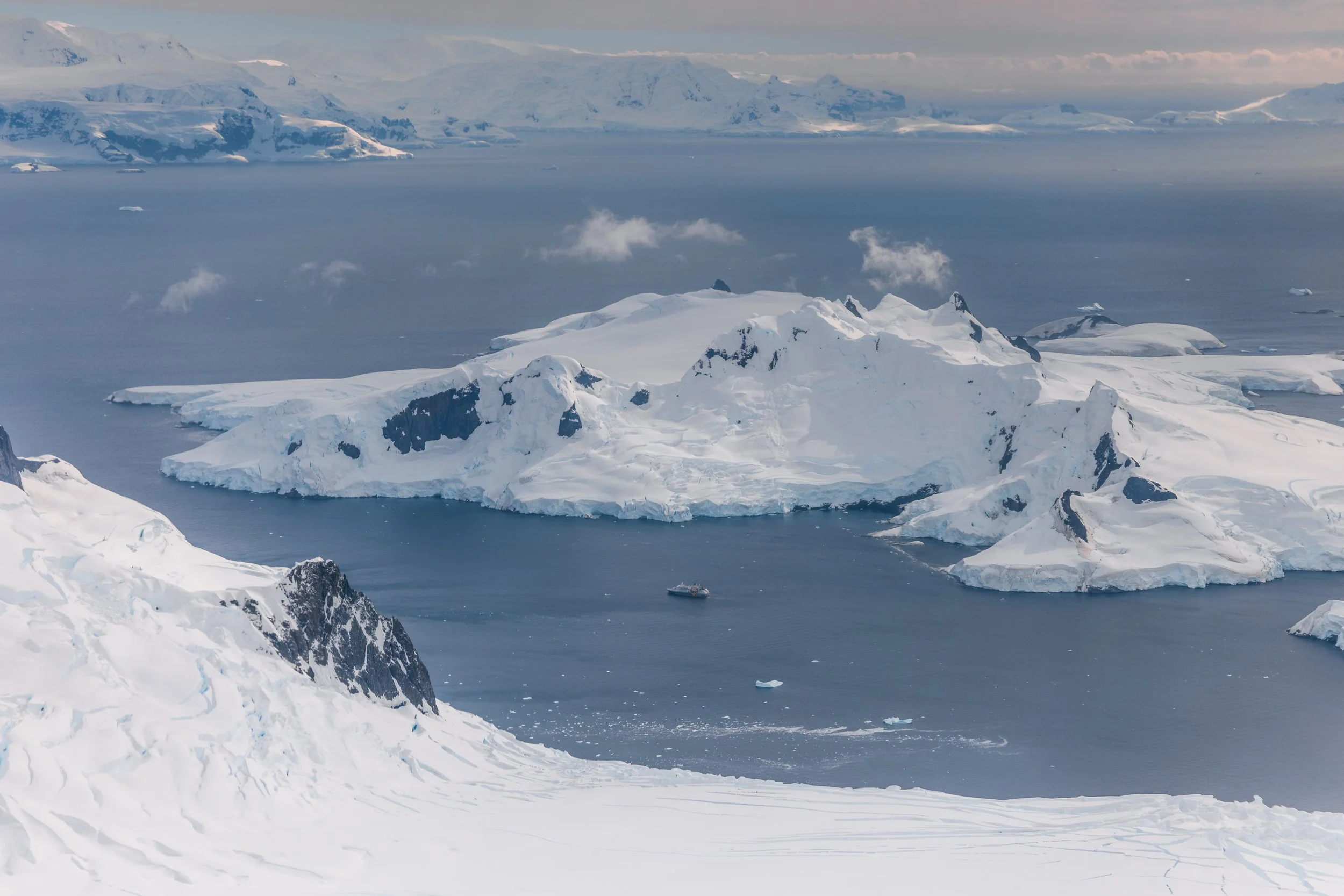
Why expedition cruises appeal to retirees seeking adventure and comfort
Retirement often creates something that was harder to find during working years: time. That can make longer voyages, shoulder-season departures, and remote destinations more realistic. Expedition cruising uses that time differently from a traditional resort vacation. The ship becomes a base for exploration, while naturalists, historians, marine biologists, photographers, and expedition leaders add context to what travelers see.
Many retirees also appreciate the smaller scale. Expedition vessels usually carry far fewer guests than mainstream cruise ships, creating a quieter atmosphere and more opportunities to recognize fellow travelers, speak with the expedition team, and share the day’s experiences over dinner.
The destination is the entertainment
Wildlife, landscapes, local communities, photography, and expert interpretation replace the constant schedule of shows, attractions, and nightlife found on many larger ships.
Learning is built into the voyage
Briefings and lectures help travelers understand animal behavior, geology, conservation, history, and culture before and after each outing.
Small ships create connection
Shared landings and daily recaps make conversation easier, while observation lounges and open decks still provide space for quiet time.
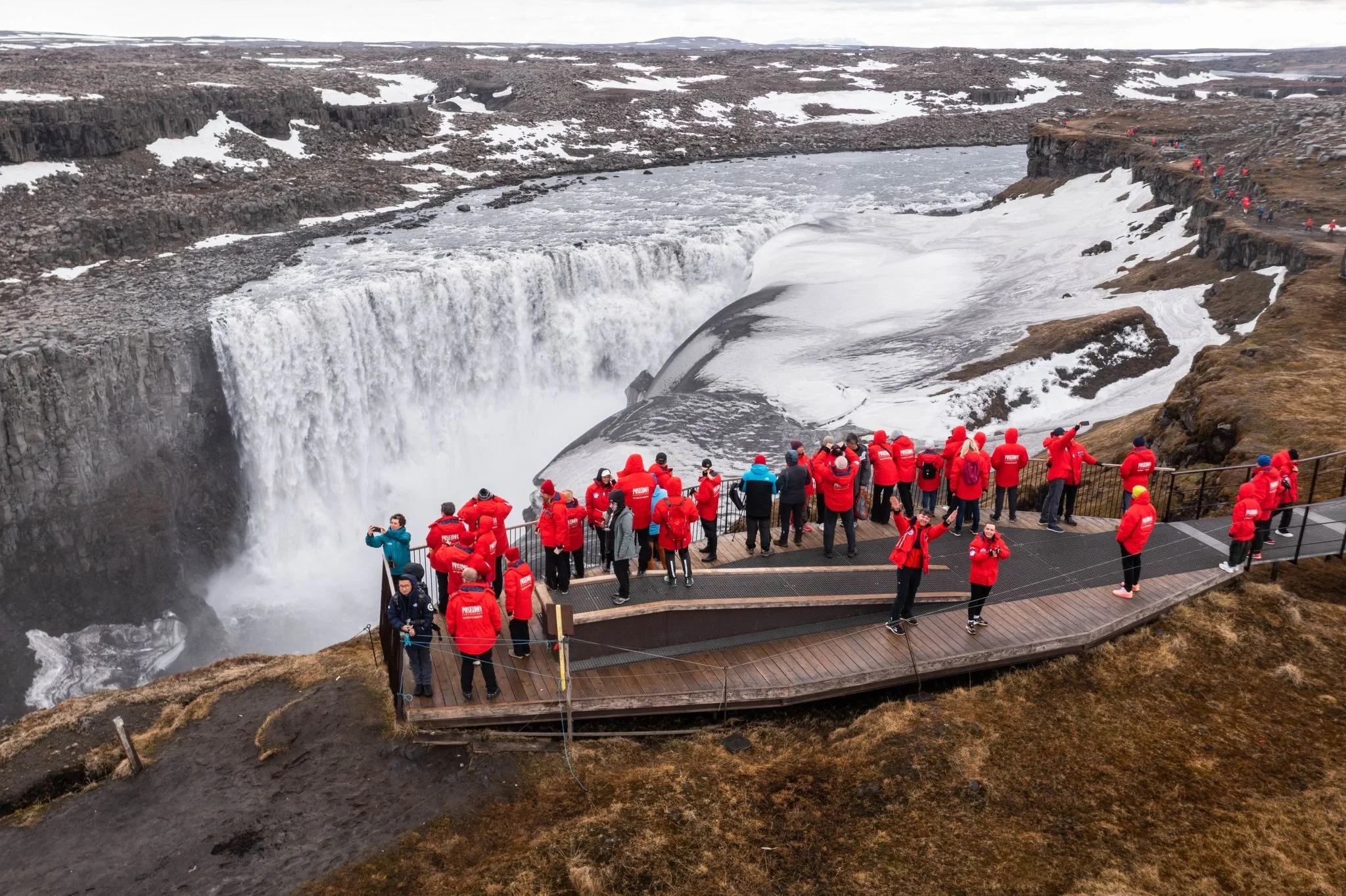
How physically demanding is an expedition cruise for older travelers?
Age alone does not determine whether an expedition cruise is appropriate. A healthy traveler in their seventies may be more comfortable with Zodiac landings than a younger traveler with balance, knee, back, or motion-sensitivity concerns. The better question is whether the specific ship and itinerary match your current abilities.
Many expedition days involve stepping between a ship platform and an inflatable Zodiac boat, sitting on the Zodiac’s outer tube, walking on beaches or rocky ground, and handling cold, wind, rain, or heat. Some destinations include wet landings, while others use docks or dry landings. Ship design also matters: elevators, stair placement, mudroom layout, handrails, cabin location, and the distance between public spaces can change the experience.
A “luxury expedition cruise” is still an expedition
A suite, spa, fine dining, or butler service does not remove the physical realities of remote travel. Weather can change quickly, landings may be uneven, and the daily plan can shift. Comfort onboard and ease ashore are two separate questions.
Features that can make a voyage easier
- Dry landings or dock access on more days
- Multiple excursion lengths or activity levels
- Elevator access to most passenger decks
- Stable Zodiac boarding platforms and strong crew assistance
- Cabins near elevators and central public spaces
- Scenic cruising options when a landing is not the right fit
Questions to ask before booking
- How many steps are involved in boarding a Zodiac?
- Are wet landings common on this itinerary?
- Can I remain aboard or join a gentler outing?
- How much walking is typical, and on what surfaces?
- Does the ship have an elevator, and which decks does it serve?
- What medical and evacuation planning should I review?
Solo expedition cruises for retirees: what to know before booking
Expedition cruising can work unusually well for solo retirees because the experience is naturally social without requiring constant organized mingling. Guests attend the same briefings, ride in small Zodiac groups, watch for wildlife together, and gather for daily recaps. Conversation develops around the destination rather than around forced activities.
A solo traveler can participate fully during the day, share meals or lectures with others, and still return to a private cabin when they want quiet. That combination of independence and community is one of the strongest reasons solo expedition cruises appeal to widowed, divorced, single, or simply independently minded retirees.
Dedicated solo cabins
Some expedition ships have cabins designed and priced for one guest. Inventory is usually limited, and a solo cabin is not automatically the ship’s least expensive option once location and inclusions are compared.
Reduced or waived single supplements
Selected departures may allow one traveler to occupy a double cabin with a lower supplement—or occasionally no supplement. These offers can be destination-, date-, and cabin-specific.
Roommate-matching programs
Some expedition operators offer request-share programs that pair solo travelers with a same-gender roommate. Policies differ, so travelers should understand what happens if no match is found.
Social without being crowded
Small ships, open seating, lectures, landings, and shared wildlife sightings create natural ways to meet people without the scale or noise of a large resort ship.
| Solo option | How it works | What to examine |
|---|---|---|
| Purpose-built solo cabin | A private cabin is sold for one guest without pricing a full double cabin. | Cabin size, deck, window, noise exposure, and whether it is actually cheaper than a promotion. |
| Waived single supplement | One guest occupies a double cabin without the usual additional solo charge. | Eligible dates, cabin categories, exclusions, deposit terms, and whether other promotions can be combined. |
| Reduced single supplement | The traveler pays a percentage above the per-person double-occupancy fare. | Total trip price rather than the advertised percentage alone. |
| Roommate matching | The operator attempts to pair compatible solo guests in a shared cabin. | Matching rules, privacy expectations, and the policy if no roommate is assigned. |
Solo-cabin inventory, roommate programs, and single-supplement promotions change by ship and departure. Pricing should be checked using one traveler from the beginning rather than estimated from a double-occupancy headline fare.
Best expedition cruise destinations for retirees and solo travelers
The best destination is not necessarily the most famous one. Travelers should compare flight time, sea conditions, climate, landing style, voyage length, and the activities they most want to experience.

Antarctica
Antarctica offers icebergs, penguins, whales, Zodiac cruising, and a powerful sense of remoteness. It can be a remarkable retirement milestone, but travelers should honestly assess the Drake Passage, cold conditions, boarding procedures, and the length of the journey.
Best for: bucket-list travelers willing to accept weather-driven plans and a more demanding journey to reach the destination.
Galápagos Islands
The Galápagos combines close wildlife encounters, naturalist-led walks, snorkeling, and small-ship exploration. It avoids a polar climate, but lava rock, beach landings, heat, and water activities still require the right mobility and comfort level.
Best for: wildlife lovers seeking a shorter expedition format and a strong balance of guided activity and onboard comfort.
Svalbard, Greenland and the Arctic
Arctic voyages can include glaciers, fjords, walruses, seabirds, remote communities, and the possibility of polar-bear sightings. Routes vary widely, so flight logistics, sea days, ice conditions, and itinerary length deserve careful comparison.
Best for: repeat travelers who want polar landscapes with a different cultural and geographic story from Antarctica.
Alaska, Baja and Northern Europe
Expedition-style voyages in Alaska, Baja California, the British Isles, Norway, and other coastal regions can provide wildlife, small ports, and expert-led exploration without beginning with the most remote polar itinerary.
Best for: first-time expedition travelers who want a softer-adventure route or simpler travel logistics.
What comfort and luxury look like on an expedition ship
Expedition ships range from practical, expedition-first vessels to polished yachts and all-suite luxury ships. Some offer spacious suites, fine dining, spas, included beverages, butler service, and highly personalized service. Others emphasize excellent deck access, efficient mudrooms, durable expedition gear, and a strong team of specialists rather than resort-style amenities.
Neither approach is automatically better. A traveler who wants serious wildlife time may prioritize a smaller guest count, efficient Zodiac operations, and a highly experienced expedition team. Another traveler may gladly choose a larger or more refined ship for a balcony, multiple restaurants, a spa, and more space between landings.
Are expedition cruises all-inclusive?
Expedition cruises often include more than a mainstream cruise fare, but “all-inclusive” does not mean the same thing across every supplier. Guided expedition outings and onboard meals are commonly included. Beverages, gratuities, Wi-Fi, parkas, loaner boots, charter flights, pre-cruise hotels, airport transfers, kayaking, camping, and other specialty activities may be included, optional, or unavailable depending on the voyage.
Retirees and solo travelers should compare the complete trip cost rather than only the cruise fare. A lower headline price can become less attractive after adding a required hotel, charter flight, gear, gratuities, beverages, transfers, and a single supplement. A higher fare may represent better value when those elements are already included.
Compare the full journey, not just the cabin
Remote expedition travel often begins before embarkation. International flights, regional flights, charter arrangements, hotel nights, transfers, insurance, and post-cruise recovery time can affect both the budget and the physical pace of the trip.
How to choose the right expedition cruise after retirement
-
Start with the experience you want Decide whether wildlife, photography, polar landscapes, culture, snorkeling, history, or onboard comfort is the real priority.
-
Be honest about mobility and motion Discuss knees, balance, stairs, uneven ground, Zodiac transfers, and sensitivity to open-water crossings before selecting the ship.
-
Compare solo pricing correctly Search with one traveler, examine dedicated solo inventory, and compare the final fare after supplements, hotels, flights, and inclusions.
-
Look beyond the cruise line name Ship design, guest count, cabin position, itinerary length, landing procedures, and the expedition team can change the trip more than brand reputation alone.
-
Protect time around the voyage Avoid tight same-day air connections and consider a pre-cruise hotel and recovery time after a long polar itinerary.
-
Review insurance and remote-travel logistics Understand cancellation terms and examine medical, interruption, delay, and evacuation provisions for the specific itinerary.
An expedition cruise is not the best retirement trip for everyone
Travelers may be happier on a traditional ocean cruise, river cruise, or guided land journey if they need a fixed daily schedule, want extensive evening entertainment, prefer guaranteed port calls, cannot manage the required boarding procedures, or would be deeply disappointed by a weather-related itinerary change.
Expedition cruising rewards flexibility. A landing may move, a wildlife sighting may change the day, and the most memorable moment may not appear in the original itinerary. For many travelers, that uncertainty is part of the excitement. For others, it creates unnecessary stress.
Not sure which cruise style fits? Compare the broader experience on our expedition cruise planning page and ocean cruise page before choosing a ship.
Expedition cruise FAQ for retirees and solo travelers
They can be. Physical ability, balance, mobility, and comfort with changing conditions matter more than age alone. Review Zodiac boarding, walking surfaces, stairs, sea conditions, and alternative activity options for the specific voyage.
Yes. Small ships, shared briefings, group landings, open seating, and daily recaps make expedition cruises naturally social. Solo travelers should compare dedicated single cabins, reduced supplements, waived supplements, and roommate-matching options.
Some do, but availability varies by ship and departure. Other sailings use reduced or waived single supplements on double cabins. A solo cabin should be compared by total price, location, window or balcony, and included trip components.
Not automatically. Many older travelers visit Antarctica successfully, but the Drake Passage, Zodiac transfers, cold weather, uneven landings, and long travel days deserve careful consideration. Ship design and cabin location can also affect comfort.
Usually not. Guests can often remain onboard, and some voyages offer scenic cruising or gentler alternatives. The available choices depend on the ship, weather, landing site, and destination, so participation options should be reviewed before booking.
They may be more comfortable onboard, but luxury amenities do not eliminate Zodiac boarding, uneven terrain, weather, or changing plans. The expedition operation and itinerary are more important than the word “luxury” when evaluating physical demands.
It is the additional amount a solo traveler may pay to occupy a cabin priced for two guests. Some departures reduce or waive it, while some ships offer purpose-built solo cabins or roommate-sharing programs.
Early planning is valuable because dedicated solo cabins and lower-supplement inventory are limited. Popular polar routes, preferred cabin locations, and optional activities can also fill well before departure.
Your next chapter should fit the way you want to travel.
We will help compare destinations, ship size, activity level, cabin options, solo pricing, inclusions, and the travel logistics before you commit to a voyage.