
The Safari + Cape Town Extension: How to Build the Perfect Two-Week South Africa Trip
South Africa Trip Planning
Travelers often plan the safari portion of a South Africa trip in detail and leave only a few days for Cape Town. Many return wishing they had allowed more time for the city, the Cape Peninsula, and the Winelands.
A well-paced itinerary gives both parts of the trip enough room. Safari days are structured around game drives, while Cape Town and the Winelands offer more flexibility for sightseeing, dining, and slower afternoons.
Why this combination works so well
South Africa makes it relatively easy to combine a major safari region with a full city stay. Domestic flights connect Cape Town with Johannesburg and several airports serving the Greater Kruger area, with many routings taking about two to three hours.
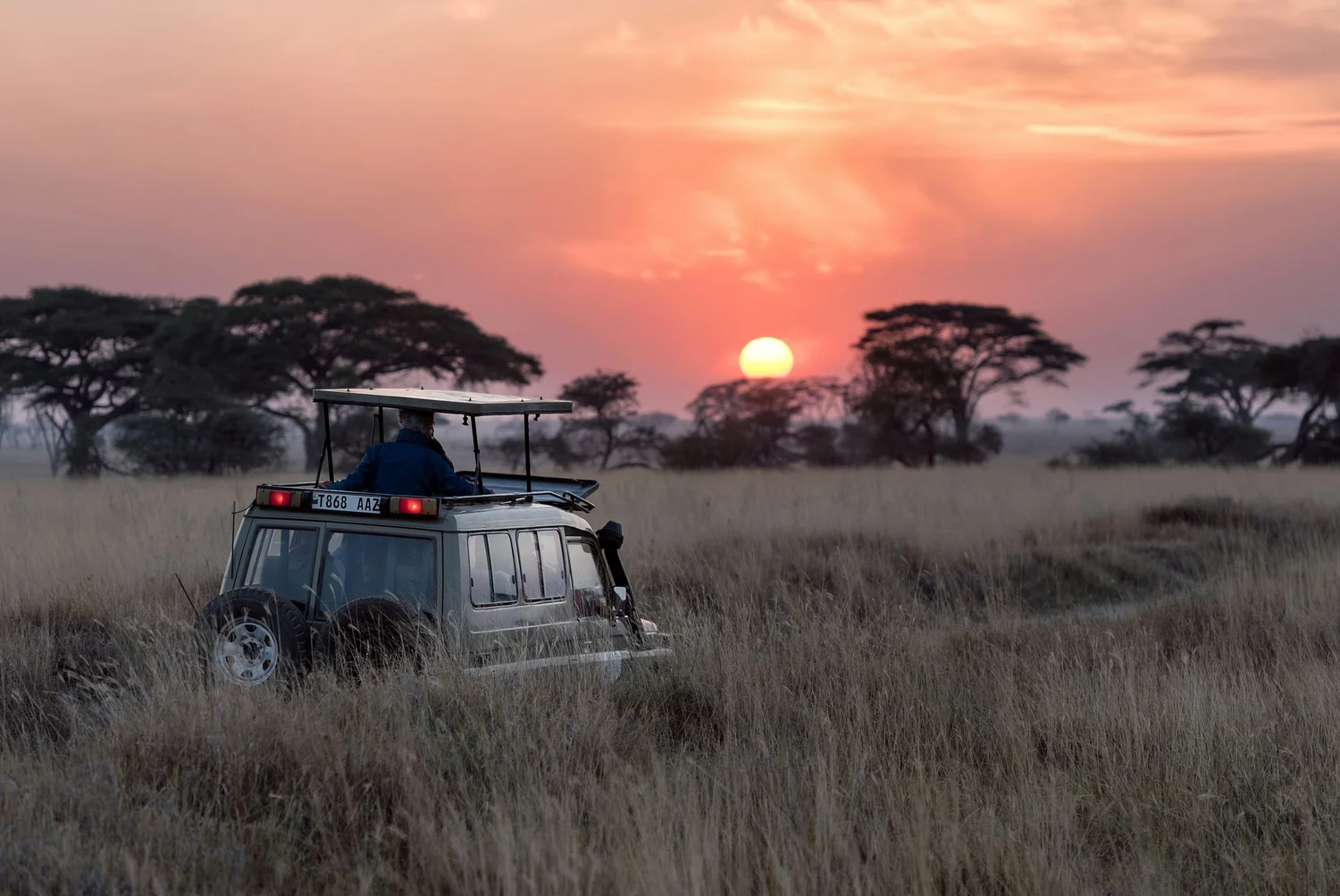
On the safari side, the private reserves bordering Kruger National Park, including Sabi Sands, Timbavati and Thornybush, are known for strong Big Five viewing. Sabi Sands is especially celebrated for leopard sightings. Private-reserve experiences can include expert rangers and trackers, off-road driving, night drives and controlled vehicle access that feels far more personal than a busy public-park route.
On the city side, Cape Town combines Table Mountain, the Atlantic coastline, historic neighborhoods, excellent restaurants and easy access to the Cape Peninsula and Winelands. Its food-and-wine scene could support a full vacation even without the scenery.
The ideal sequence: safari first, city second
For many first-time South Africa itineraries, we recommend arriving through Johannesburg, beginning with safari, and ending in Cape Town. This order works well with the early safari schedule and leaves the more flexible portion of the trip for the end.
Early mornings may feel easier
Game drives often begin before dawn. During the first few days, some travelers find the early wake-up less difficult while their body clock is still adjusting.
The schedule becomes more flexible
Safari days usually follow a set pattern of morning and evening activities. Cape Town allows more control over start times, meals, and how much is planned each day.
There is room to slow down
Ending with Cape Town or the Winelands creates space for a slower dinner, a free afternoon, or a less structured final day before the flight home.
How many nights do you really need?
For a two-week journey, a strong template is four nights on safari, four to five nights in Cape Town and two to three nights in the Cape Winelands, plus the time required for international travel and domestic connections.
Four nights on safari
Four nights works well for many travelers. It usually allows for roughly eight game drives and gives the guides time to build on earlier sightings instead of treating every drive as a separate experience. Three nights can still work, while two nights often feels rushed once arrival and departure times are considered.
Four or five nights in Cape Town
Cape Town needs more time than many travelers expect because several major activities depend on the weather. The Table Mountain cableway can close in high wind, cloud can cover the summit, and Robben Island ferries can be affected by sea conditions. A longer stay makes it easier to move plans around when needed.
Use the clearest morning for Table Mountain. Save another day for the Cape Peninsula route through Chapman's Peak to Cape Point and the penguins at Boulders Beach. Bo-Kaap, the V&A Waterfront and indoor food experiences can work well when the wind is stronger.
Two or three nights in the Winelands
Stellenbosch and Franschhoek sit within easy reach of Cape Town, but they deserve more than a rushed day trip. Staying overnight allows time for tastings, a relaxed lunch, the Franschhoek Wine Tram and one memorable dinner without watching the clock for the drive back to the city.
What a well-built two-week itinerary looks like
Travel to South Africa. Depart the United States, arrive in Johannesburg and connect onward or overnight depending on the international flight schedule.
Private-reserve safari. Stay in Sabi Sands, Timbavati or another reserve that fits your wildlife priorities, lodge preferences and budget. Days typically include morning and evening game drives, meals at the lodge and time to rest between activities.
Fly to Cape Town. Nonstop flight times vary by the airport serving your reserve, but many Greater Kruger connections take roughly two and a half to three hours. A well-timed arrival can still leave room for a waterfront dinner.
Explore Cape Town. Build around Table Mountain, the Cape Peninsula, Boulders Beach, Robben Island, Bo-Kaap and the V&A Waterfront. Keep one day flexible so the weather does not control the entire itinerary.
Slow down in the Winelands. Explore Stellenbosch, ride the Franschhoek Wine Tram or arrange private touring, then finish with a dinner worth planning in advance.
Fly home from Cape Town. An open-jaw international itinerary avoids unnecessary backtracking to Johannesburg when flight schedules and pricing make it practical.
How the seasons affect the itinerary
Safari season and Cape Town's warmest beach weather pull in different directions. The Greater Kruger region typically offers its strongest dry-season game viewing from May through September, while Cape Town's warm, sunny summer falls from November through March.
If the safari side is driving your dates, our month-by-month guide to the best time for an African safari explains how wildlife patterns, rainfall, crowds and seasonal value change throughout the year.
Shoulder-season options
April to May and September to October can provide a useful balance between safari conditions and Cape weather. No month guarantees ideal conditions in both regions, so the dates should reflect whether wildlife viewing, warmer Cape weather, school schedules, or lodge availability is the main priority.
Fixed travel dates are not a problem. They simply change the design. A winter trip may lean harder into safari and food experiences, while a summer trip may prioritize Cape Town, outdoor dining and the coastline while choosing the reserve and lodge carefully.
Putting the trip together
A South Africa safari, Cape Town, and Winelands itinerary can fit comfortably into about two weeks when the routing is planned carefully. Reserve selection, malaria-free alternatives, domestic flight timing, weather flexibility, and restaurant reservations all influence the final schedule.
The strongest itinerary is usually the one that leaves enough time in each place rather than adding every possible stop. Dates, pace, budget, and the needs of the travel party should guide the number of safari nights, Cape Town days, and whether the Winelands are a day trip or a separate stay.
Frequently Asked Questions
Planning a safari and Cape Town trip
For many first-time travelers, safari first and Cape Town second creates the best flow. Jet lag can make the early safari mornings easier, and Cape Town provides a more flexible, relaxed ending. Flight schedules, lodge availability and personal preferences can still make the reverse order appropriate.
A well-paced two-week trip often includes four safari nights, four to five Cape Town nights and two to three Winelands nights, in addition to international travel time. Travelers with fewer days may need to skip the separate Winelands stay or shorten Cape Town carefully.
Yes. Madikwe and selected Eastern Cape reserves are commonly considered for malaria-free safari planning. The right option depends on the season, wildlife priorities, lodge style, family ages, flight routing and budget.
April to May and September to October can provide a useful balance between safari conditions and Cape weather. The best month still depends on whether wildlife viewing, warm beach weather, school schedules or a specific lodge experience is the highest priority.
Start Planning
Build the South Africa trip that fits you
Tell us your dates, your preferred pace and who is traveling. Beyond the Castle Travel will help compare safari regions, lodge styles, Cape Town timing, Winelands stays and the logistics connecting every part of the journey.
Plan Your South Africa Trip