
The Best Time for an African Safari: A Month-by-Month Guide
The best month for an African safari depends on what you want from the trip. Great Migration crossings, calving season, dry-season wildlife viewing, family school schedules, photography, and lower seasonal prices all point to different travel windows.
A family limited to July needs a different plan from a photographer who can travel in November or someone focused on February calving in the southern Serengeti.
We usually start with the wildlife and trip style, then narrow down the destinations and dates.
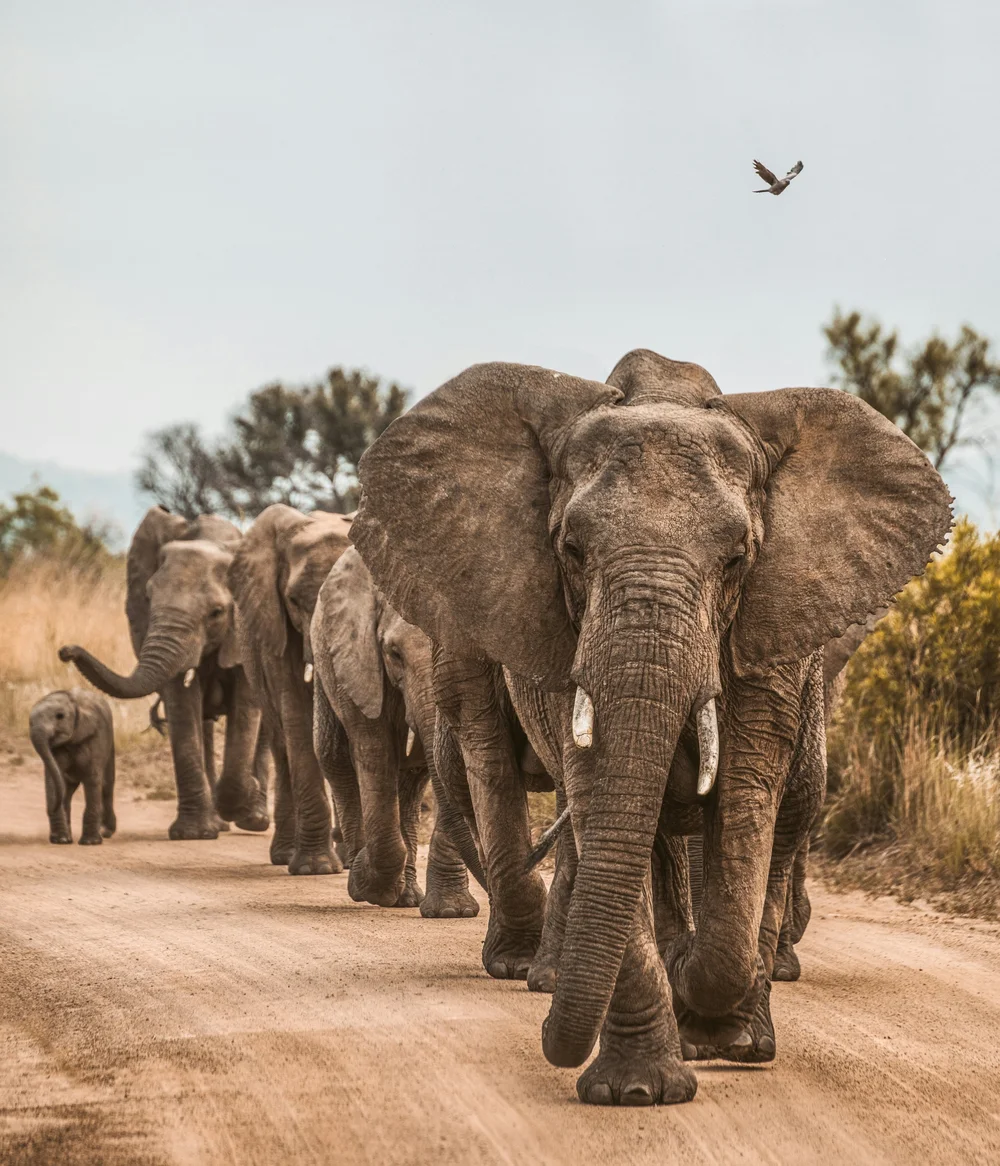
When is the best time to go on an African safari?
For many of Africa's best-known safari regions, the first decision is whether you want the classic dry-season experience or the greener, quieter, and often better-value months.
The dry season, generally June through October in many East and Southern African safari areas, is the classic choice. Vegetation thins, water becomes scarce, and animals gather around rivers and waterholes. Game viewing becomes more predictable, skies are often clear, and temperatures are comfortable.
This is peak season for a reason. It is also when popular lodges charge their highest rates and may sell out many months in advance.
The green season, generally November through March in much of Southern Africa, offers a different experience. Landscapes turn lush, migratory birds arrive, and many animals give birth. Camps are often quieter, skies are dramatic, and some lodges offer meaningful seasonal savings.
Green-season travelers should expect more rain, thicker vegetation, warmer temperatures, and seasonal closures in a few regions. In return, they may find fewer vehicles, dramatic skies, newborn wildlife, and lower rates.
Before choosing a month, decide what you most want to see, how you feel about crowds and heat, and whether your dates are flexible. Those answers will narrow the calendar quickly.
African safari by month
| Month | Best for | What to know |
|---|---|---|
| January | Southern Serengeti and green-season safaris | Calving season begins to build, Southern Africa is lush, and birding is excellent. |
| February | Serengeti calving and predator activity | One of the strongest months for newborn wildebeest and big-cat action. |
| March | Value, photography, and fewer crowds | Green-season conditions continue, but some camps begin seasonal closures. |
| April | Lowest crowds and seasonal savings | Heavy rain can affect parts of East Africa, making this less suitable for some first-time trips. |
| May | Shoulder-season value | Southern Africa begins drying out before the highest peak-season pricing arrives. |
| June | Early dry season and Botswana | Comfortable temperatures, improving wildlife visibility, and rising Okavango floodwaters. |
| July | Great Migration, Botswana, and school-break travel | Excellent conditions and strong demand. Book well ahead. |
| August | Classic peak-season safari | Reliable game viewing across many regions, with premium pricing and busy lodges. |
| September | Wildlife concentration and river crossings | Thin vegetation and scarce water make animals easier to find. |
| October | Late dry-season wildlife | Excellent viewing, but temperatures can be very hot in parts of Southern Africa. |
| November | Photographers and better value | Short rains revive the landscape, crowds fall, and seasonal rates may soften. |
| December | Green season, birding, and holiday travel | Lush scenery and newborn wildlife, with higher demand around Christmas and New Year. |
Calving season begins
The migrating herds gather on the southern Serengeti's short-grass plains. Botswana and much of Southern Africa are green, warm, and less crowded.
Newborns and predators
February is one of the strongest months for wildebeest calving in the southern Serengeti. Newborn animals attract lions, cheetahs, hyenas, and other predators.
Green-season value
Calving activity can continue while Southern Africa remains lush. Travelers should expect some rain and confirm whether seasonal camps remain open.
Rain and fewer visitors
April often brings heavier rain to parts of East Africa. Some remote camps close, while Southern Africa begins cooling and drying.
An underrated transition month
Southern Africa becomes drier, vegetation starts thinning, and safari conditions improve before the highest peak-season prices arrive.
The classic season begins
Dry-season conditions build across Southern Africa. In Tanzania, the herds generally move north or through the western Serengeti, depending on rainfall.
Peak safari season
Wildlife viewing is excellent across much of Africa, the Okavango is flooded, and migration activity may reach the northern Serengeti and Mara River region.
Reliable game viewing
August is one of the strongest all-around safari months. It is also expensive, busy, and important to reserve well in advance.
Wildlife gathers near water
Water becomes scarce, vegetation stays thin, and animals often gather predictably around rivers and waterholes.
Excellent but hot
Late dry-season viewing can be superb, especially in Southern Africa, but temperatures rise sharply in Botswana, Zambia, and Zimbabwe.
Green landscapes return
Short rains often begin in East Africa. Crowds fall, landscapes revive, and photographers gain dramatic skies and softer seasonal pricing.
Birding and newborn wildlife
Green-season conditions spread across Southern Africa, migratory birds arrive, and the Great Migration generally continues south toward its calving grounds.
Best time for the Great Migration
The Great Migration continues throughout the year as roughly two million wildebeest, zebra, and other grazing animals move between Tanzania's Serengeti and Kenya's Masai Mara. The herds' likely location during your travel dates is more useful than searching for one official migration season.
January through March
The herds gather in the southern Serengeti for calving season. Hundreds of thousands of wildebeest are born over a short period, creating extraordinary predator activity. February is often the strongest month, but timing still follows the rains.
May through June
The herds generally move through the central and western Serengeti. Some travelers may see activity near the Grumeti River, but these crossings are less predictable and less famous than the Mara River crossings farther north.
July through October
The herds may reach the northern Serengeti and Kenya's Masai Mara, creating the possibility of Mara River crossings. This is the dramatic crocodile-and-current spectacle many travelers have seen in documentaries. It is also the busiest and most expensive migration period.
November through December
As the short rains arrive, the herds generally move south through the Serengeti toward the next calving season. Crowds may be lighter and rates more favorable than during the peak crossing months.
No lodge can promise a crossing during a short stay. Spending more time in the right region improves your odds and gives you more opportunities for wildlife viewing even when the herds do not cross while you are watching.
Best time to visit South Africa for safari
South Africa's Kruger National Park and private reserves such as Sabi Sands are especially strong from May through September. The weather is generally dry and mild, vegetation is thinner, and wildlife gathers near reliable water sources.
The summer months bring warmer temperatures, afternoon storms, greener landscapes, newborn animals, and excellent birding. This can be a beautiful time to travel, particularly for repeat safari visitors who value fewer vehicles and dramatic photography conditions.
South Africa also makes it easy to combine a safari with Cape Town and the Cape Winelands. Our South Africa safari and Cape Town itinerary explains how to divide two weeks between the bush, city, and wine country.
Best time to visit Botswana
Botswana's Okavango Delta is most famous from June through September, when floodwaters spread through the delta during the regional dry season. Wildlife gathers on shrinking islands and along channels, while water-based activities may become available in camps with sufficient water.
Mokoro excursions depend on the camp's location and current flood levels, so they should never be assumed solely because you are visiting Botswana in summer.
Botswana's green season, generally November through March, rewards travelers with lower seasonal pricing at some camps, excellent birding, newborn wildlife, and dramatic skies. It is warmer, wetter, and less predictable, but often far quieter.
Best time to visit Victoria Falls
Victoria Falls usually carries its greatest volume from roughly February through May, following the regional rains. The spray can be so heavy that some viewpoints become difficult to photograph clearly.
Water levels typically fall later in the year. By October and November, sections of the Zambian side can become very low, while the Zimbabwean side may retain stronger views. Lower water can be better for certain adventure activities, but less dramatic for travelers expecting the classic wall of water.
Best time to visit Namibia
Namibia works well across much of the year, but June through October is generally best for wildlife around Etosha's waterholes. Dry conditions concentrate animals, daytime temperatures are comfortable, and nights can be surprisingly cold.
The green season brings warmer weather, occasional storms, migratory birds, and striking desert color. Travelers focused on landscapes and photography may prefer this quieter period.
What about gorilla trekking?
Gorilla trekking in Rwanda and Uganda is possible throughout the year. The drier periods, generally June through September and December through February, often make trails easier to navigate.
The wetter months can mean muddier hikes, but forests are lush, photography conditions may be softer, and demand can be lower. Because gorilla permits are limited, available permits and lodge space may ultimately determine the dates.
The safari months most travelers overlook
Early June can offer dry-season conditions before the busiest part of peak season. Late October and November can work well in parts of Kenya and Tanzania when crowds fall and seasonal pricing softens. February is exceptional for southern Serengeti calving, while Botswana's green season rewards birders, photographers, and travelers comfortable with some rain.
The lowest price on a chart is not always the best value. A well-priced trip still needs to offer the wildlife, weather, and travel conditions you are hoping for.
How to choose the right safari dates
In our experience, the right month comes down to four questions:
- What do you most want to see: migration, big cats, gorillas, newborn wildlife, or a particular landscape?
- How do you feel about crowds, heat, rain, and seasonal pricing?
- Are you tied to school breaks, an anniversary, or another fixed travel window?
- How far ahead are you planning?
A July Masai Mara safari planned a year in advance is very different from one requested only a few months before departure. The earlier you begin, the more control you have over location, camp style, room configuration, and budget.
We use your wildlife priorities, travel window, comfort preferences, and budget to narrow down the regions and seasons that fit.
Frequently asked questions
Wildlife movements, rainfall, flood levels, road conditions, and seasonal camp operations vary from year to year. Specific timing should be confirmed when your itinerary is planned.
Choose the experience before choosing the month
Tell us what you most want to see, when you can travel, and how you want the trip to feel. We will help match your dates to the right safari region and build the complete itinerary around it.