
Tanzania vs. Kenya: Which Safari Is Right for You?
East Africa Safari Planning
It is the first fork in the road for almost every first-time East Africa safari planner: Tanzania or Kenya? They sit side by side, share the Serengeti-Mara ecosystem and deliver the classic safari landscapes many travelers picture before their first trip.
Kenya and Tanzania can feel noticeably different in pace, scale, logistics, crowd patterns and trip style. The better fit depends on your travel dates, available time and the kind of safari you want.
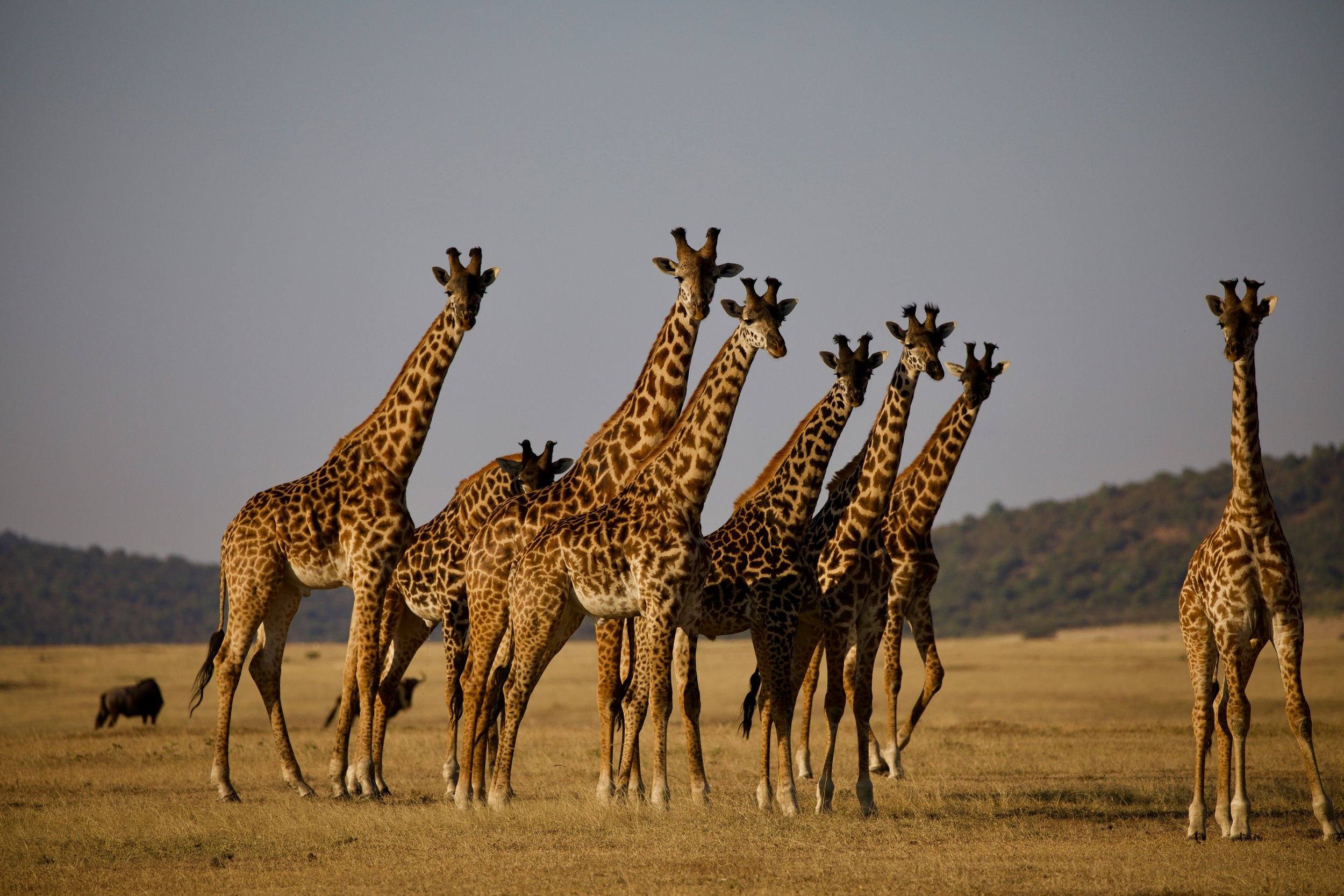
Kenya vs. Tanzania at a glance
The case for Kenya
Kenya is often the easier country to shape around a shorter vacation. Nairobi provides strong international access, and scheduled bush flights from Wilson Airport connect travelers with airstrips across the Masai Mara and other safari regions. That can protect valuable safari time when the entire trip is only eight or nine days including international flights.
Why Kenya may fit you better
- The Mara is a big-cat stronghold. Lions, leopards and cheetahs are major reasons travelers choose this ecosystem, and the concentrated landscape can produce rewarding game drives throughout the year.
- Private conservancies change the experience. Depending on the conservancy and camp, travelers may gain lower vehicle density, night drives, guided walks and controlled off-road viewing that are not generally available inside the main reserve.
- Variety is available without building a two-week circuit. Amboseli is known for elephants and Kilimanjaro views, Laikipia for private conservancies and rhino protection, and Samburu for species associated with northern Kenya.
- The coast pairs naturally with safari. Diani and Lamu create straightforward beach extensions without adding another country.
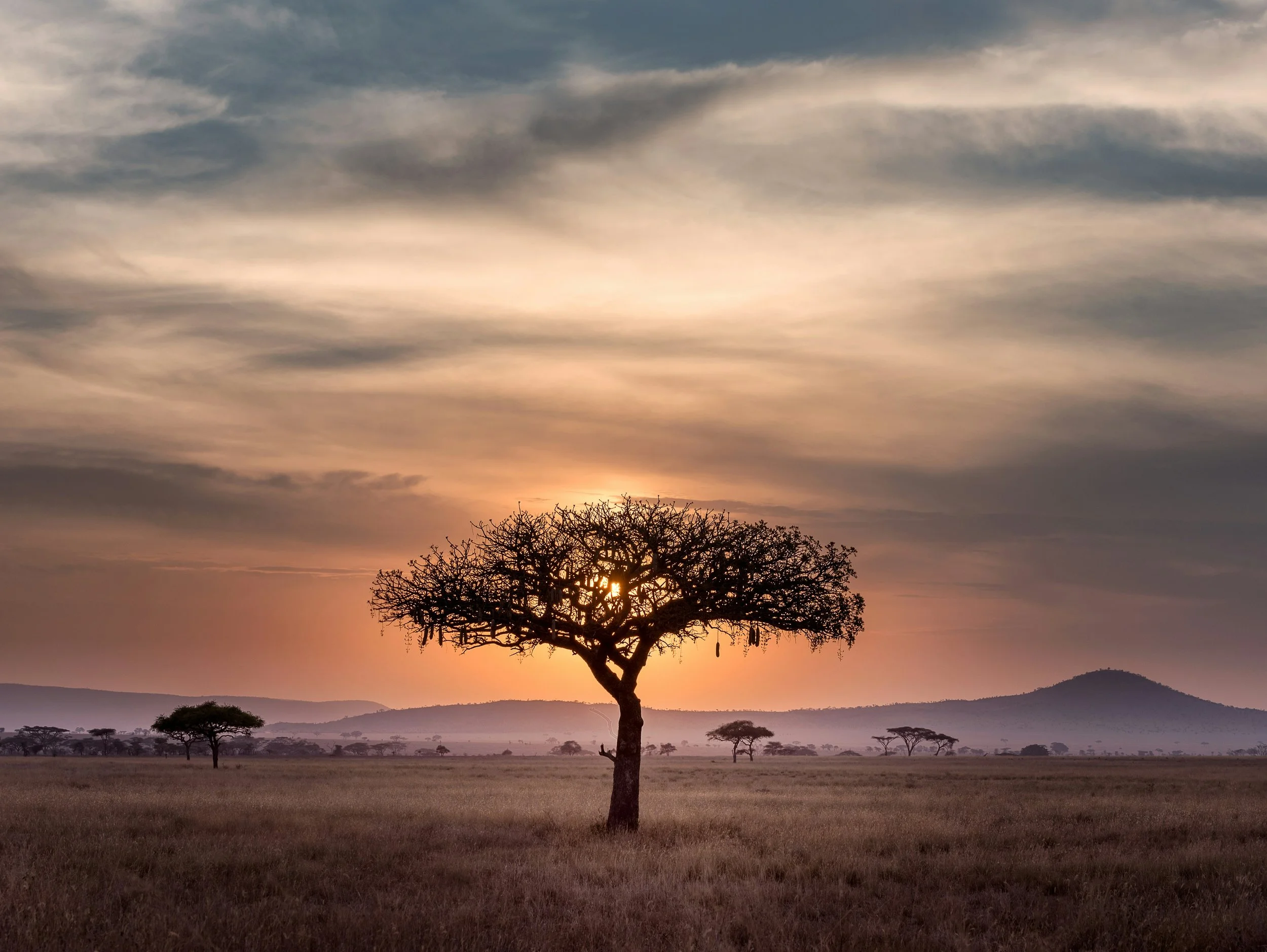
The trade-off: the main Masai Mara reserve can become busy during the peak migration period, particularly near major sightings and river crossings. A well-chosen conservancy can reduce that pressure, but it does not guarantee solitude every hour of the trip.
The case for Tanzania
Tanzania creates a stronger sense of scale. Serengeti National Park covers nearly 15,000 square kilometers, many times the size of the Masai Mara National Reserve. That size does not eliminate crowds in popular areas, but it creates more ways to position an itinerary around seasonal wildlife movement.
Why Tanzania may fit you better
- The migration spends much of its annual cycle here. The herds move through the southern, central, western and northern Serengeti according to rainfall and grazing conditions.
- Ngorongoro Crater is a destination in its own right. The volcanic caldera supports a dense wildlife population and offers some of East Africa's better opportunities to encounter black rhino.
- Calving season is centered in Tanzania. The southern Serengeti and Ndutu region become the focus from roughly January through March, with timing and herd location driven by rain.
- The itinerary can keep expanding. Tarangire adds baobabs and elephant herds, while Nyerere and Ruaha appeal to travelers seeking more remote safari regions.
- Zanzibar creates a natural finale. The same-country combination can move from safari to beach without adding an international border.
The trade-offs: Tanzania rewards more time. A northern-circuit journey involving Tarangire, Ngorongoro and multiple Serengeti regions can feel rushed when compressed. The total trip may also cost more because of the number of nights, longer transfers, internal flights and layered park or conservation fees, although comparable lodge choices can narrow or reverse the difference.
What the Great Migration changes
The Great Migration is not an event with a fixed date. It is a continuous movement influenced by rain, water and grazing conditions. Tanzania offers access to more stages of the annual cycle, while Kenya is especially associated with the period when herds move into the Masai Mara.
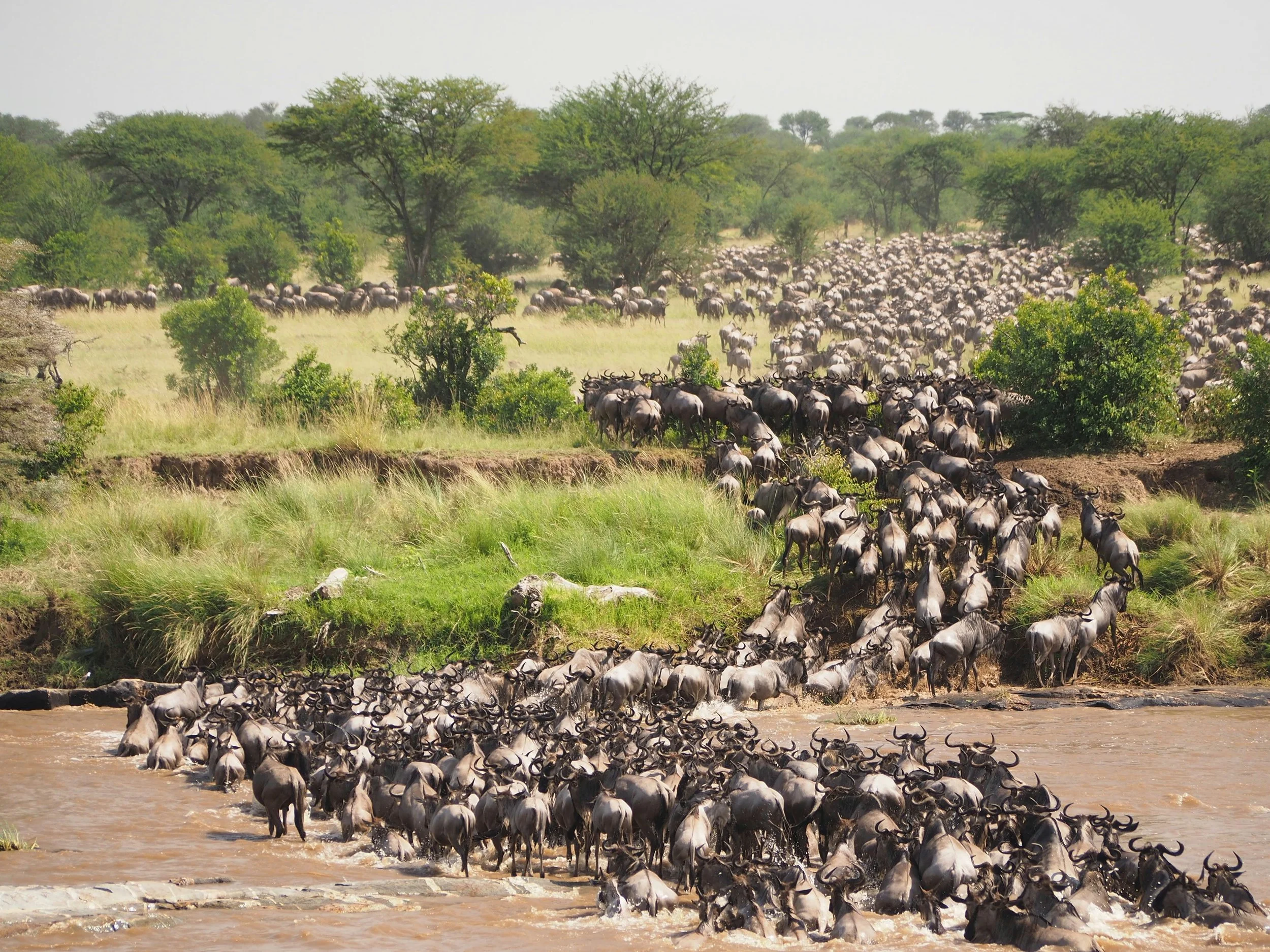
River crossings are never guaranteed. A traveler can wait near a crossing point for hours and see nothing, while another vehicle arrives on a different day at exactly the right moment. Our month-by-month African safari guide explains how calving, migration movement, dry seasons and green seasons affect destination choice.
The quick decision guide
Choose Kenya if...
- You have roughly a week or less on the ground.
- Big cats are your highest wildlife priority.
- You want a carefully selected private conservancy.
- You prefer a compact itinerary with fewer major stops.
- Diani or Lamu is your preferred beach ending.
Choose Tanzania if...
- You have ten days or more for the safari portion.
- You want maximum landscape scale and variety.
- Ngorongoro Crater is on your must-see list.
- You are planning around calving season.
- Zanzibar is your dream ending.
Choose both when the migration is the priority
A combined itinerary can deliver the Mara's concentrated wildlife viewing and the Serengeti's scale in one journey. It can also include Ngorongoro Crater before or after the cross-border safari.
The trade-off is complexity. Border routing, bush flights, luggage limits, park fees and the seasonal location of the herds all affect the order of the trip. Ten to fourteen safari nights usually creates a better pace than trying to force both countries into a short vacation.
Our honest take
There is no universal winner. There is a better answer for your specific dates, budget, pace and wish list.
Kenya often wins when time is limited or the conservancy experience is part of the dream. Tanzania often wins when travelers want the broadest canvas and can give the itinerary enough days. The same travel week can perform differently in each country because wildlife movement, rainfall, camp location and crowd patterns change throughout the year.
Tell us what you picture when you close your eyes and imagine your safari. Beyond the Castle Travel will help determine which side of the border gives that vision the best chance of becoming the trip you actually take.
Frequently Asked Questions
Planning a Kenya or Tanzania safari
Kenya often works especially well for travelers with limited time, a strong interest in the Masai Mara, or a preference for private conservancies. Tanzania may be the better first safari for travelers with more time who want the Serengeti, Ngorongoro Crater, and a larger northern-circuit itinerary. The better choice depends on dates, trip length, budget, and wildlife priorities.
Kenya often provides more ways to build a shorter or value-conscious safari, but there is no reliable country-wide price rule. The final cost is shaped more by travel season, lodge category, internal flights, private vehicles, park and conservancy fees, and the number of safari regions included.
Tanzania hosts the migration through much of its annual cycle, including the southern Serengeti and Ndutu calving period and movement through the central, western, and northern Serengeti. Kenya is best known for the period when herds reach the Masai Mara. Rainfall determines the herds' exact location, and river crossings cannot be guaranteed.
Kenya can work well with roughly five to seven safari nights, particularly when the itinerary is centered on the Mara or combines only two regions. Tanzania generally rewards eight to ten safari nights or more because the northern circuit covers greater distances and includes several major destinations.
Yes. A combined itinerary can include the Masai Mara, Serengeti, and Ngorongoro Crater, but border logistics, flight routing, baggage restrictions, park fees, and the direction of travel need to be planned carefully. Ten to fourteen safari nights usually creates a more comfortable pace.
Start Planning
Choose the safari that fits your dates and priorities
Share your travel window, preferred pace, wildlife wish list and beach plans. Beyond the Castle Travel will help compare Kenya, Tanzania or a combined itinerary and match the destination to the experience you are actually seeking.
Plan Your African Safari