
Planning Travel for the 2027 Women’s World Cup
Packages for the 2027 FIFA Women’s World Cup are now available. While the official draw will determine exactly where Team USA plays, history has shown that waiting until after the draw can mean higher pricing and fewer package options.
For travelers considering Brazil, the most important decision is not choosing specific matches from a menu. Current options are structured around Follow Team USA itineraries, semifinal packages, and final packages. You secure the package type that fits your goals, and the tournament draw later determines the exact path.
That is why this guide focuses on what fans should understand before the draw, why Brazil requires thoughtful logistics, and why locking in a package before the tournament picture becomes clearer can be a smart move.
The short version: Beyond the Castle Travel is offering Follow Team USA packages, semifinal packages, and final packages for the 2027 Women’s World Cup in Brazil through Roadtrips. If this tournament is on your list, waiting for perfect certainty may mean facing tighter availability and higher pricing later.
This is not just another tournament destination
The 2027 FIFA Women’s World Cup will be held in Brazil from June 24 through July 25, 2027. It will also be the first Women’s World Cup hosted in South America, which gives the tournament a completely different energy from previous editions.
For travelers, that excitement comes with logistics. Brazil is geographically massive, and moving between host cities is usually not the same as taking a quick train between European destinations. Flights, airport access, hotel location, and match-city strategy all matter.
That is why planning around the tournament’s geography can be just as important as planning around the matches themselves.
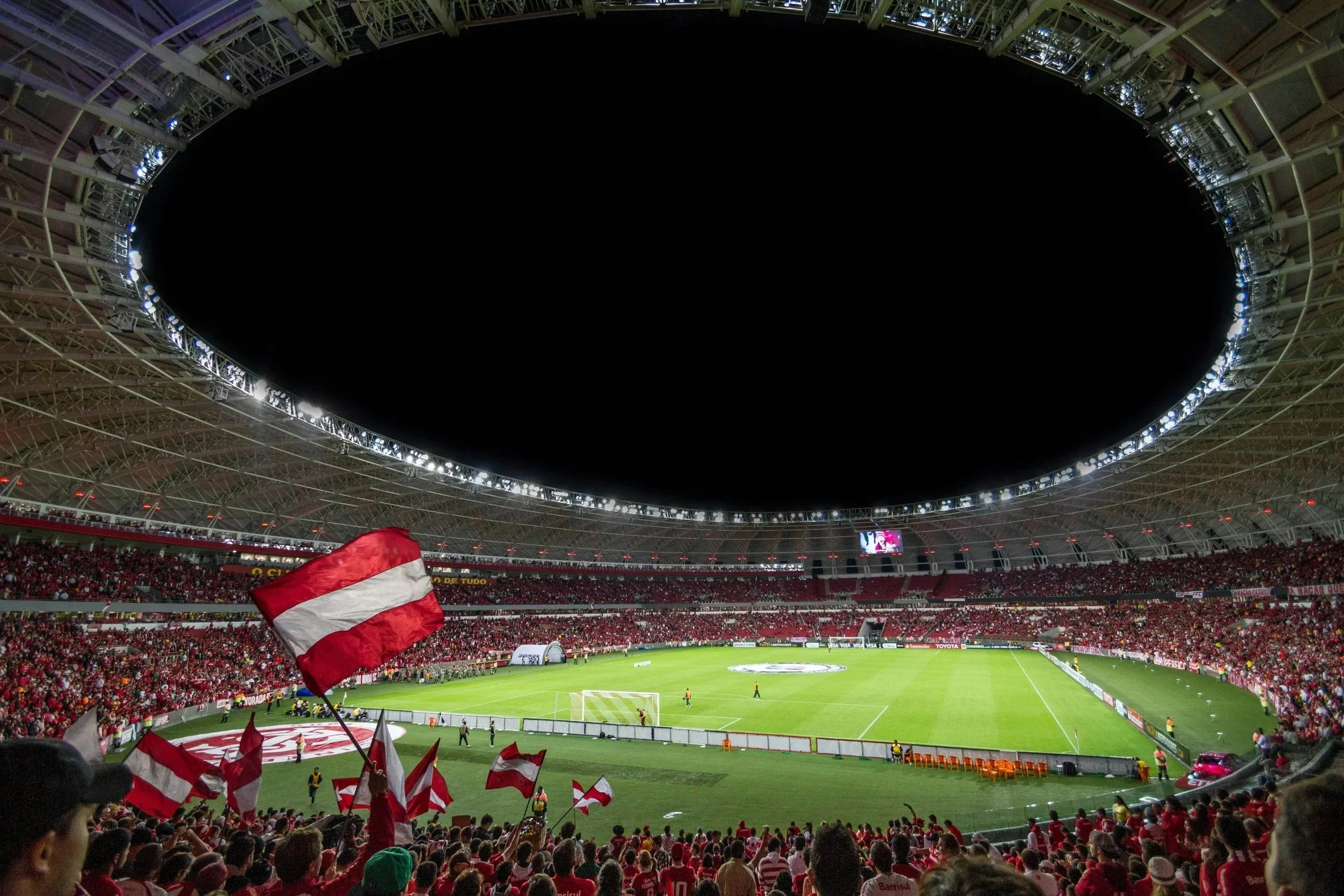
The draw will shape the route, but the host cities already matter
FIFA has confirmed eight host cities for the 2027 Women’s World Cup in Brazil. Even before the final draw and team assignments are released, those host cities give travelers important clues about how complex the trip can become.
Some cities may work better as arrival points. Others may become key stops depending on Team USA’s group-stage path or the knockout rounds. Some will have stronger hotel inventory, while others may become more compressed as match demand builds.
The point is not to guess where Team USA will play before the draw. The point is to understand that once the draw happens, demand can quickly concentrate around specific cities, routes, and dates.
Why locking in before the draw can matter
One of the biggest lessons from the men’s World Cup was what happened after the official draw. Once fans knew where their teams would play, demand accelerated and package pricing increased as inventory became more limited.
Every tournament is different, but the basic pattern is familiar: certainty creates demand. When fans can finally see the match cities and schedule, many people who were waiting begin acting at the same time.
Follow Team USA packages are built around the tournament format rather than a fan trying to guess specific host cities on their own. Once the draw determines Team USA’s path, the package follows that journey instead of requiring you to rebuild the trip from scratch.
Planning reality: waiting for the draw may feel safer, but it can also mean entering the market when more fans are trying to secure the same limited hotel, flight, and package inventory.
Inventory pressure does not wait for ticket sales
One of the biggest misconceptions about World Cup travel is that hotel prices rise only after tickets go on sale. In reality, compression can begin much earlier, especially after host cities are known and even more so after the draw focuses demand on specific routes.
Hotels may restrict inventory, enforce minimum stays, prioritize group blocks, or hold back desirable room types. Domestic flights inside Brazil may also become more competitive once fans know where their team is headed.
This is especially important in Brazil because host cities are spread across a large geographic area. A Women’s World Cup trip may involve international flights, domestic flights, hotel changes, airport transfers, and match-day transportation. Those details are much easier to coordinate before the market tightens.
What Women’s World Cup packages are available now?
Beyond the Castle Travel currently offers 2027 Women’s World Cup packages through Roadtrips, one of the industry’s leading premium sports travel providers. Current options include Follow Team USA packages, semifinal packages, and final packages.
For Follow Team USA, the available options are structured as 7-night and 12-night packages. The 7-night package includes two Team USA group-stage matches, while the 12-night package includes three Team USA group-stage matches.
This is not a choose-any-match setup. You select the package type that matches your travel goal, and the exact Team USA group-stage route is determined once the official draw is complete.
What the Follow Team USA packages include
The value of a Follow Team USA package is not only the match access. It is the way the major logistics are coordinated together, especially in a country where host cities are spread across a large geographic area.
Packages include:
- First-class accommodations in Team USA’s host cities
- Personalized meet and greet service upon arrival in Brazil
- Round-trip transfers between airport and hotel
- Full breakfast daily
- Transportation between host cities
- Round-trip dedicated stadium transfers on match days
- Personalized itinerary
- Roadtrips on-site host services
- Expert pre-travel assistance from the Roadtrips At-Your-Service Team
- All taxes and service charges
For travelers who want to enjoy the tournament rather than manage every transfer, hotel change, and match-day detail alone, that structure can make a major difference.
The Women’s World Cup can also work for premium group travel
The Women’s World Cup is not only attracting individual fans. Major sporting events can also make sense for client entertainment, employee rewards, executive experiences, and leadership groups that want something more memorable than a standard meeting or resort stay.
These types of experiences often fall under corporate and incentive travel, where logistics, hospitality, timing, and the overall guest experience are just as important as the event itself.
For a tournament in Brazil, that kind of planning matters even more. The experience has to feel smooth for guests, not like a collection of disconnected travel pieces.
How this fits into your sports travel plans
Some travelers want to follow Team USA through the group stage. Others want to focus on the semifinals or final. The best package depends on the type of tournament experience you want and how much time you want to spend in Brazil.
You can review our 2027 Women’s World Cup travel packages for the primary tournament page, or explore all of our sports travel packages to see how this event fits alongside other bucket-list experiences.
Already thinking beyond Brazil? Our 2030 World Cup Travel Planning Guide explains why early interest can matter even years before tickets or packages are released for major international tournaments.
Waiting for the draw can come with a cost
The draw will bring clarity, but clarity often brings competition. Once fans know where Team USA is headed, more people begin looking at the same routes, hotels, flights, and packages at the same time.
If you already know you want to experience the 2027 Women’s World Cup in Brazil, the advantage is not in guessing the match cities. The advantage is in securing the package type that fits your goals before demand concentrates around the official draw.
Whether you are considering the 7-night Follow Team USA package, the 12-night Follow Team USA package, a semifinal package, or a final package, now is the time to compare what is available.
Women’s World Cup packages are available now
Beyond the Castle Travel can help you review Follow Team USA packages, semifinal packages, and final packages for the 2027 Women’s World Cup in Brazil through Roadtrips.
View Women’s World Cup PackagesPackage components, match access, accommodations, transportation, pricing, and availability are subject to change until confirmed with deposit.