
Private Safari vs. Scheduled Group Safari: Which Is Right for You?
African Safari Planning
Choosing between a private safari and a scheduled group safari is not simply a question of privacy. It changes how much control you have over the itinerary, how the days are paced, who shares the journey with you, and how easily the trip can adapt to your priorities.
Both styles can include excellent guides, memorable lodges, major wildlife regions, cultural experiences, and carefully planned extensions. The better choice depends on how you prefer to travel.
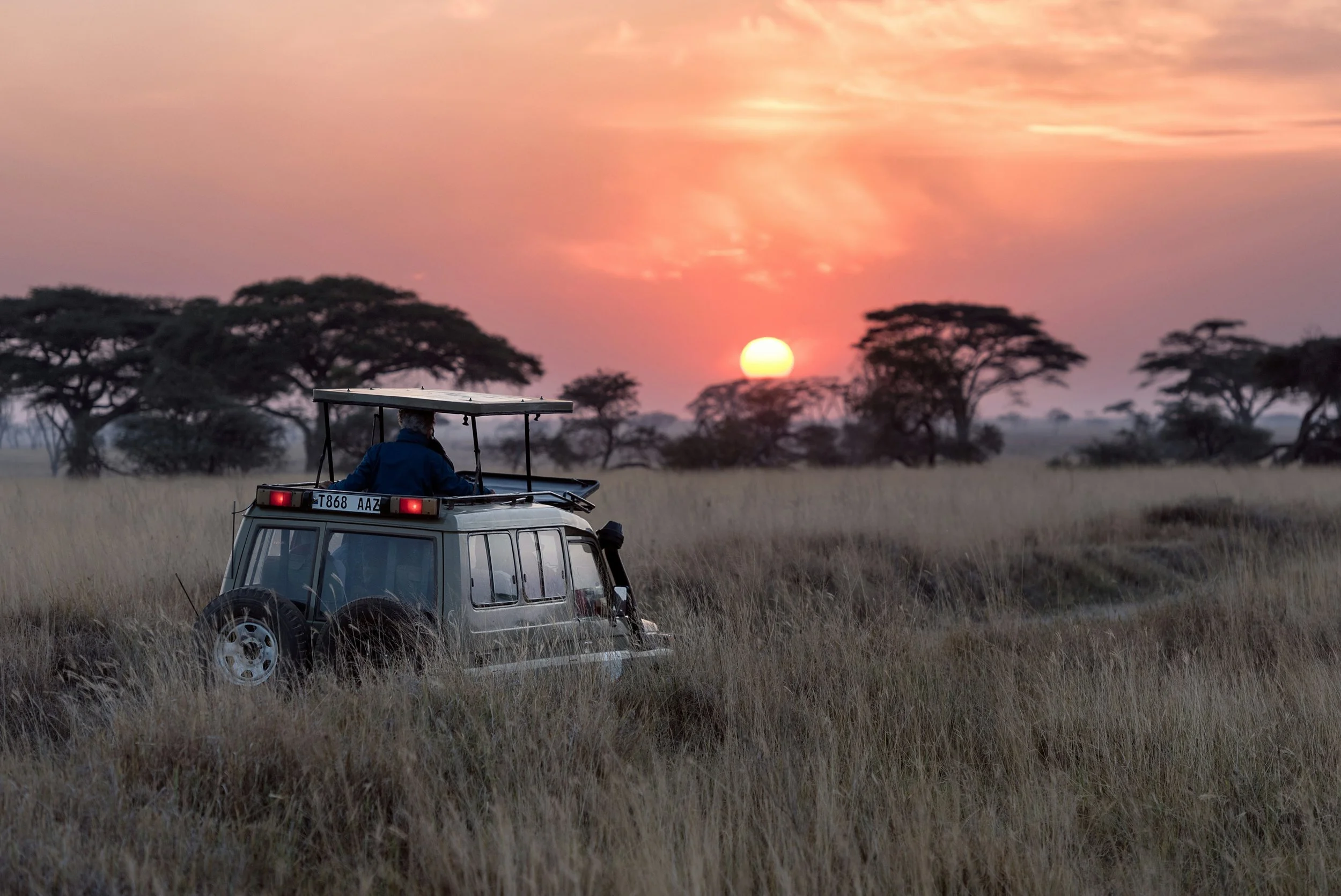
Private safari vs. scheduled safari at a glance
| Factor | Private safari | Scheduled group safari |
|---|---|---|
| Dates | Built around your preferred travel window and availability. | Uses published departure and return dates. |
| Itinerary | Customized around your destinations, interests, and trip length. | Follows a planned route shared by everyone on the departure. |
| Pace | Can be adjusted for longer stays, rest days, or fewer hotel changes. | Moves according to the established daily schedule. |
| Guides and vehicles | Private touring and transfers can be arranged for your traveling party. | Guides, touring, and transfers are shared with the group. |
| Social experience | Best for travelers who value privacy or are bringing their own group. | Creates a ready-made social experience with other safari travelers. |
| Budget structure | Varies widely based on party size, routing, lodges, and private services. | Uses established pricing, though single supplements and optional items may apply. |
What makes a safari private?
A private safari is designed around one traveler, couple, family, or group of friends. The international flights may still be commercial, and some game drives at a lodge may still be shared unless private vehicles are specifically included. The defining difference is that the larger itinerary is created for your party rather than for a published departure.
You can decide how many nights to spend in each location, whether to fly or travel overland between regions, and how much time to leave between early game drives and afternoon activities. A private itinerary can also combine safari with Cape Town, Victoria Falls, the Cape Winelands, Zanzibar, Mauritius, gorilla trekking, luxury rail, or a river safari.
This flexibility is especially useful when the trip has a clear priority. A photographer may want more time in one wildlife region. A honeymoon couple may want fewer lodge changes and a beach ending. A family may need specific room configurations, age-appropriate activities, or a slower pace.
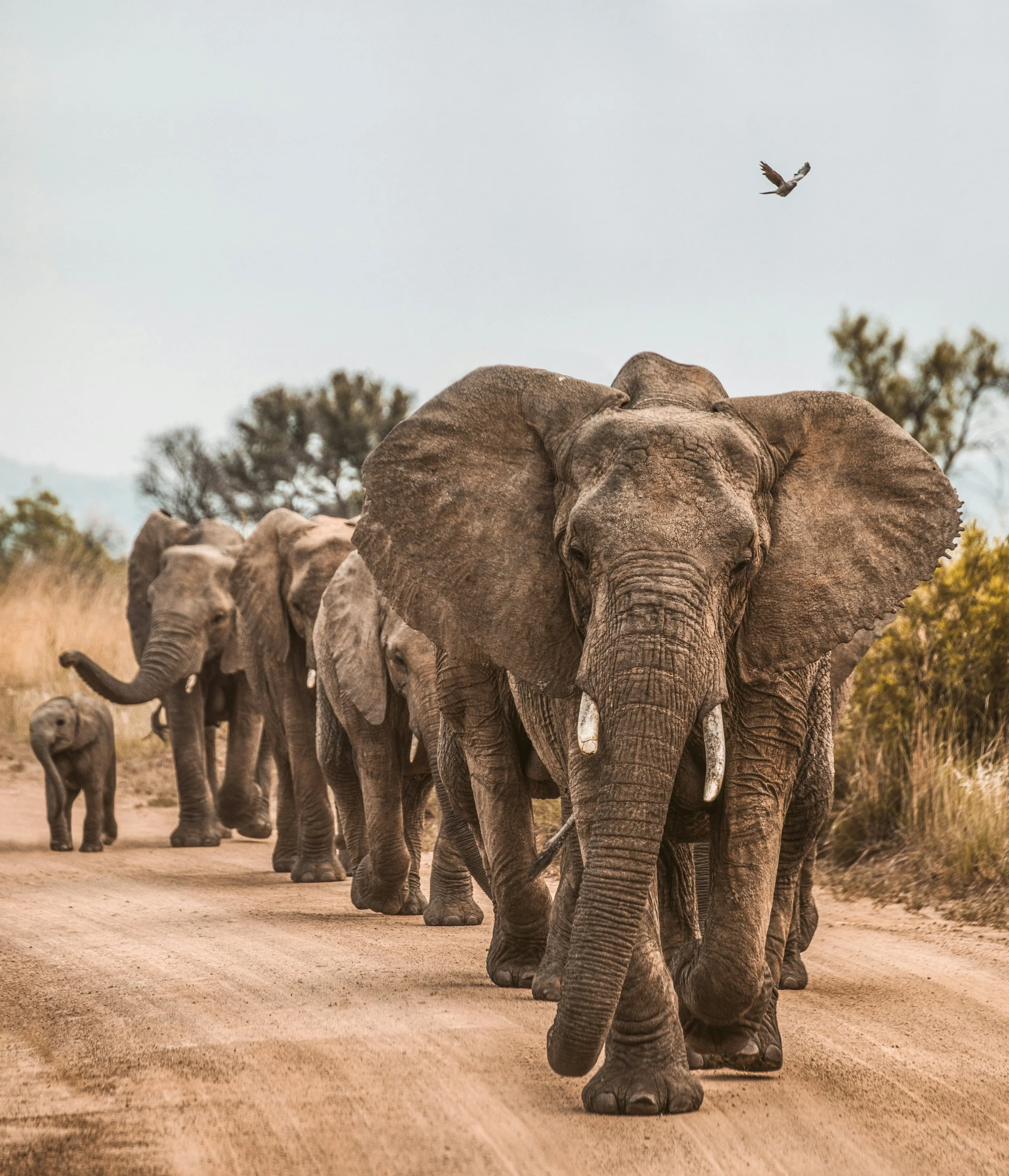
What makes a safari scheduled?
A scheduled safari uses a set itinerary and departure date. Travelers join other guests for the journey, and the group follows the same route, accommodations, transfers, and planned activities.
That does not necessarily mean a large motorcoach or an impersonal tour. Many scheduled African safaris are built for relatively small groups and use experienced guides throughout the itinerary. Current scheduled options can cover Southern Africa—including South Africa, Victoria Falls, Zimbabwe, and Botswana—or East Africa, including Kenya, Tanzania, Uganda, and Rwanda.
The main advantage is clarity. The route, number of nights, major inclusions, and departure date are already established. Travelers who feel overwhelmed by endless lodge and destination choices may appreciate beginning with a thoughtfully planned itinerary instead of building every detail from a blank page.
A scheduled safari still requires careful comparison
Review the number of travelers, single supplement, luggage rules, internal flights, meal plan, park fees, included activities, travel pace, and how much free time is built into the itinerary. Two trips with similar dates can deliver very different experiences.
How the daily pace changes
Private travel provides more control, but it does not make every moment flexible. Wildlife activities still follow park rules, daylight, weather, and lodge schedules. Internal flights and border crossings also operate on fixed timetables.
The difference is that the itinerary can be designed around your preferred rhythm before you travel. You may choose three or four nights at a lodge instead of two, avoid a rushed one-night stop, or add a recovery night after the international flight.
On a scheduled departure, the pace is part of the package. If the group leaves at 8:00 a.m., everyone needs to be ready. That structure can feel easy and reassuring to one traveler and restrictive to another.
Which option costs less?
A scheduled safari may offer a more accessible starting price because guiding, touring, and ground transportation are shared. It is still important to compare the entire trip rather than the advertised price alone.
Solo travelers may face a single supplement. International flights, intra-Africa flights, visas, travel protection, gratuities, and optional activities may sit outside the listed price. A private safari can sometimes become more efficient when several relatives or friends are sharing the same guide and vehicle.
Luxury level matters more than the label. A private safari built around moderate lodges can cost less than a scheduled departure using high-end properties. The honest comparison is between two complete itineraries with similar inclusions—not simply “private” versus “group.”
Families, couples, and solo travelers
Families and multigenerational groups
Private safaris are often easier for families because room arrangements, meal timing, activity levels, and age restrictions can be considered from the beginning. Grandparents, parents, and children may also prefer having their own vehicle and more control over rest time.
Couples and honeymoon travelers
Couples often choose private travel for the privacy and ability to shape the trip around a milestone. A scheduled departure can still work well for couples who enjoy meeting other travelers and prefer a fixed route.
Solo travelers
A scheduled safari gives solo travelers companionship without requiring them to organize their own group. A private safari provides more independence but may carry a higher per-person cost because fewer people are sharing private services.
Special interests and accessibility needs
Travelers planning gorilla trekking, photography, wellness experiences, culinary travel, rail journeys, or a specific cultural component may benefit from a private itinerary because those interests can shape the route from the start.
Accessibility deserves a direct conversation before either style is booked. Safari vehicles, small aircraft, tender boats, uneven terrain, lodge steps, and long transfer days can create challenges that are not obvious from photographs. A scheduled departure cannot always change its pace or physical requirements for one guest.
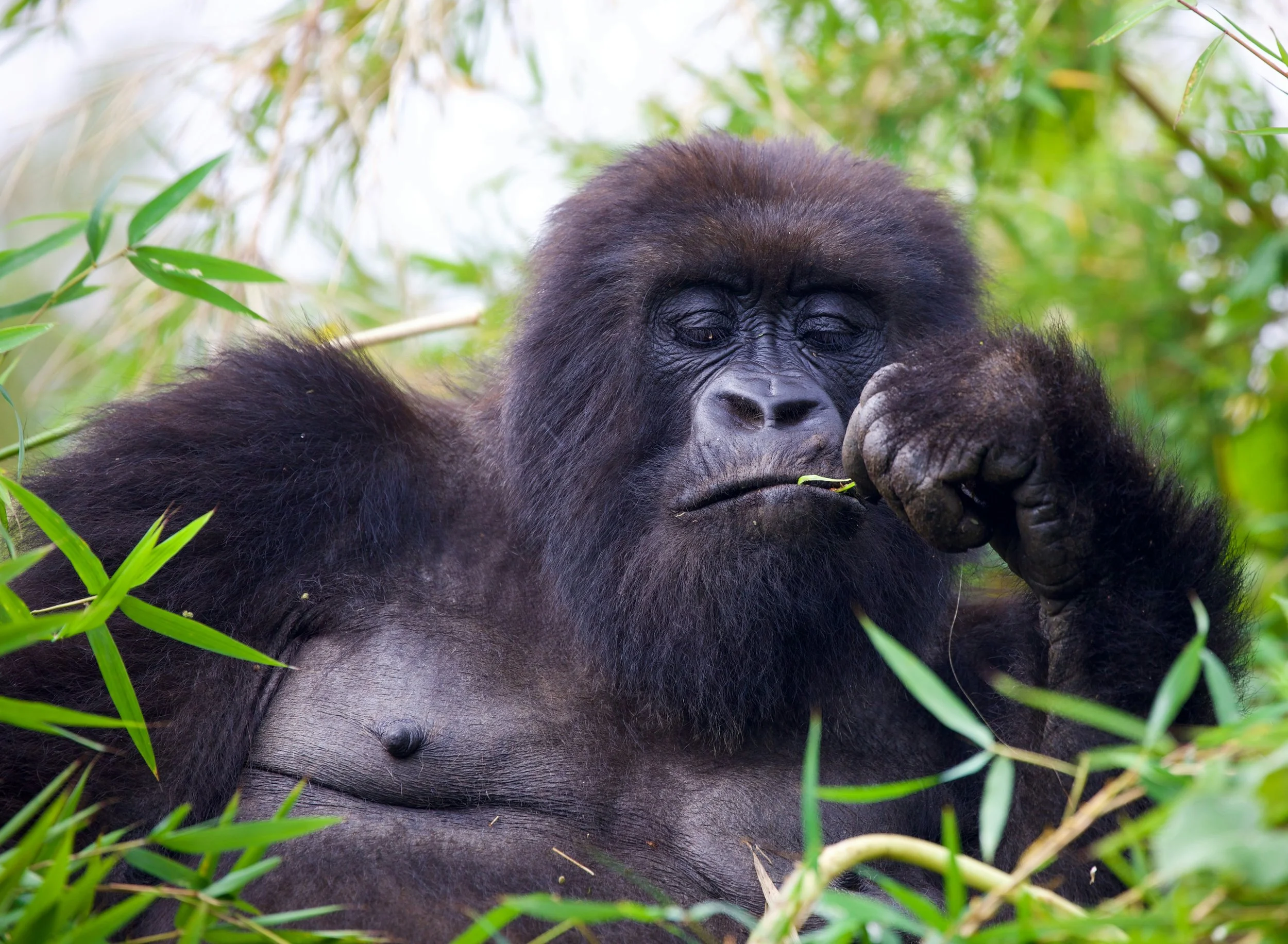
Which safari style is right for you?
Choose a private safari if...
- Your dates or trip length are not compatible with a scheduled departure.
- You want to choose the destinations, lodges, and number of nights.
- You are traveling with family, friends, or for a milestone.
- You value privacy, a slower pace, or specialized experiences.
- You need the itinerary designed around specific mobility, dietary, or room requirements.
Choose a scheduled safari if...
- You like the published route and can travel on the set dates.
- You want to meet other travelers during the trip.
- You prefer an established plan with fewer decisions.
- You are traveling solo and want a built-in group experience.
- You are comfortable following a shared daily schedule.
Our honest take
The right answer is usually revealed by the first two or three constraints. Fixed school-break dates, a family group, a honeymoon, or a highly specific wildlife goal often points toward a private safari. A solo traveler with flexible expectations may be an excellent fit for a scheduled departure.
Start with how you want the trip to feel, not with the label. Then compare the pace, routing, accommodations, inclusions, and total cost behind the two options.
Our Safari Travel Planning page explains the wider range of safari destinations and experiences we can help arrange. You can also compare Kenya and Tanzania, review the best time for an African safari, or see how a South Africa safari can be paired with Cape Town.
Frequently Asked Questions
Private and scheduled safari questions
No. Cost depends on destinations, lodge level, routing, party size, internal flights, and private services. A private moderate-lodge itinerary may cost less than a luxury scheduled departure, while a couple paying for a private guide and vehicle may pay more per person than a group traveler.
Not necessarily. Many scheduled African safaris use smaller groups, specialist guides, and carefully selected lodges. The maximum group size and vehicle arrangements should be confirmed for the specific departure.
Yes. The overall itinerary may be private while game drives at a lodge are shared with other guests. A private safari vehicle should be requested and priced separately when that distinction matters.
Either can work. A scheduled departure gives first-time travelers a proven route and clear structure. A private safari is stronger when the traveler has fixed dates, a special occasion, family needs, or specific wildlife and destination priorities.
Often, yes. Depending on flight schedules and availability, travelers may add Cape Town, Victoria Falls, a beach stay, gorilla trekking, or another pre- or post-tour extension.
Yes. We can compare a suitable scheduled departure with a private tailor-made itinerary so you can see the differences in pace, accommodations, inclusions, logistics, and total trip cost. Our travel planning is fee-free.
Safari schedules, group sizes, lodge availability, inclusions, pricing, permit rules, and entry requirements can change. Details should be confirmed for the specific itinerary and departure date.
Start Planning
Choose the safari structure that fits you
Share your dates, travel party, preferred pace, wildlife priorities, and budget comfort zone. We will help compare the right private and scheduled safari options.