
Antarctica vs. the Arctic: Which Polar Expedition Is Right for You?
Polar Expedition Planning
Once travelers decide they want a polar expedition, they almost always ask us the same first question: Antarctica or the Arctic?
The two get lumped together constantly, and it is easy to see why. Both involve ice, remote wilderness, small expedition ships, Zodiacs, parkas, and plans that can change with conditions.
But after working with both regions, becoming a Poseidon Certified Polar Advisor, and earning Quark Expeditions’ Polar Pro certification, we can tell you they are profoundly different trips.
Choosing the right one is less about which pole is better and more about which experience matches what you are actually hoping to find.
Here is how we walk clients through the decision.
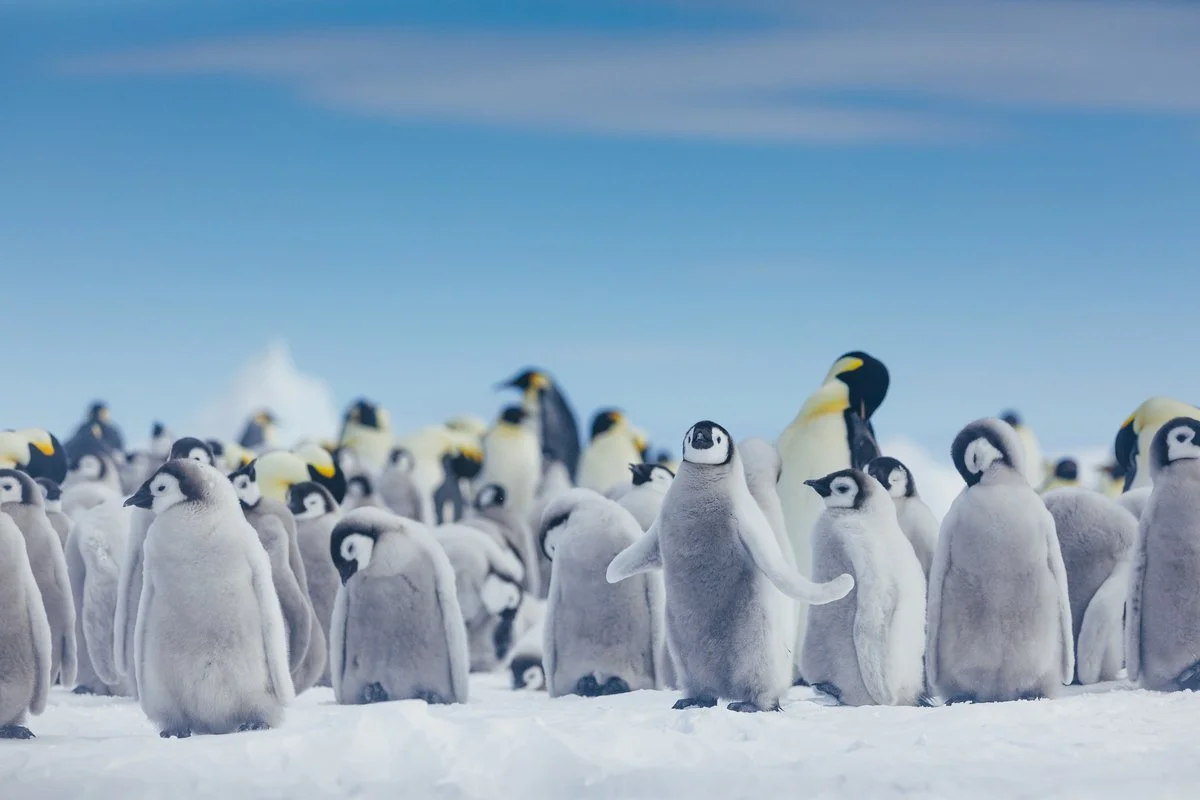
Antarctica
Best known for: Penguins, icebergs, whales, seals, and the seventh continent.
Main season: November through March for most Peninsula voyages.
Typical gateway: Ushuaia, with Drake Passage or fly-cruise options.
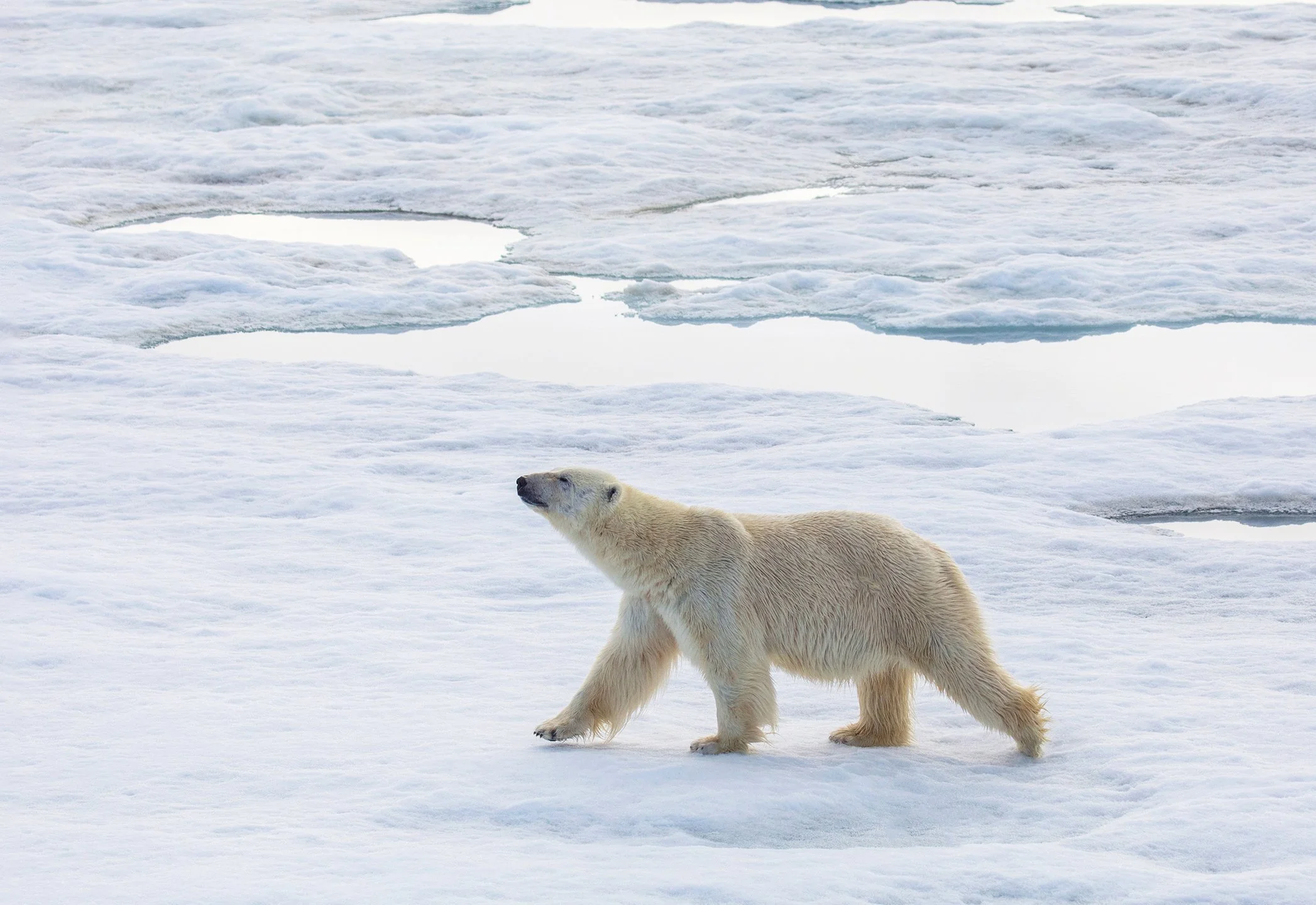
The Arctic
Best known for: Polar bears, walruses, fjords, communities, and exploration history.
Main season: Varies by region, generally late spring through early fall.
Typical gateways: Norway, Iceland, Greenland, or Canadian Arctic charter points.
The one-sentence version
Antarctica is an immense wilderness experience centered on ice, wildlife, and the feeling of reaching the seventh continent. The Arctic is a collection of northern destinations where wildlife, human culture, and exploration history are often woven together.
If you want penguins, enormous icebergs, and a continent without a permanent population, Antarctica is probably the picture in your head.
If you want polar bears, walruses, Inuit communities, Viking history, and dramatic fjords, start by comparing Arctic regions.
That simple framing resolves the question for many travelers immediately. For everyone else, the details matter.
The wildlife question often decides it
Start with the animal you most want to see, because the two poles do not share their most famous wildlife.
Antarctica means penguins.
Depending on the route and time of season, travelers may see gentoo, chinstrap, Adélie, king, macaroni, or other penguin species, along with seals and whales. The Antarctic Peninsula is especially known for penguin colonies, Zodiac cruising, ice, and marine wildlife.
The encounters can feel unusually close, but travelers still have a responsibility to keep their distance and avoid disturbing the animals. Visitors should never approach, touch, feed, or block wildlife paths. Penguins may sometimes walk toward stationary visitors on their own, which is very different from a traveler moving closer to them.
The Arctic means polar bears, and this is where expectations need managing.
Polar bears are wide-ranging wild predators, and no responsible expedition operator can guarantee a sighting. Svalbard is one of the best-known expedition regions for travelers hoping to see them, but ships must follow strict distance and wildlife-protection rules. The search itself may involve long hours scanning shorelines, ice, and open water from the ship or Zodiac.
The Arctic can also offer walruses, reindeer, musk oxen, Arctic foxes, whales, and immense seabird colonies, depending on the destination and season. Belugas and narwhals are possible in certain regions, but they should never be treated as guaranteed checklist sightings.
So the honest question we ask is this: Would you rather spend time among visible colonies of wildlife, or search a vast landscape for an animal that may become the defining sighting of the trip?
Neither answer is wrong, but they lead to very different expeditions.
The Arctic is many places, not one destination
This is the most common misunderstanding we correct.
For many first-time travelers, Antarctica means one core route with several important variations: the Antarctic Peninsula, usually reached by ship from Ushuaia, sometimes extended to South Georgia and the Falkland Islands.
The Arctic is not like that. It is an ocean surrounded by countries, islands, communities, and very different expedition regions.
Svalbard is the classic High Arctic expedition for travelers drawn to polar bears, walruses, pack ice, glaciers, and long summer daylight.
Greenland delivers huge fjords, tidewater glaciers, icebergs, and visits to towns and settlements where Greenlandic Inuit culture is part of the experience. East Greenland voyages often begin or end in Iceland, while other Greenland itineraries use different gateways depending on the route.
Iceland combines volcanic landscapes, seabirds, remote coastlines, and easier air access. Some itineraries use Iceland as a complete expedition destination, while others use it as the gateway to Greenland or the wider Arctic.
The Canadian Arctic and Northwest Passage bring together remoteness, Inuit communities, wildlife, and the history of exploration through a route that very few travelers ever experience.
The geographic North Pole belongs in its own category. Expedition voyages there require specialized vessels and are far rarer than Svalbard, Greenland, or Canadian Arctic cruises.
If the Arctic is calling you, the follow-up question is not simply whether to go. It is which Arctic.
A Svalbard wildlife voyage and a Greenland scenery-and-culture itinerary can feel as different from each other as either feels from Antarctica.
The seasons work in opposite directions
The seasons are mirror images, which can make the decision easier.
The main Antarctic Peninsula season runs during the Southern Hemisphere summer, generally from November into March, although some operators begin in late October.
The main Arctic expedition season runs through the Northern Hemisphere summer. The exact window varies by destination, ice, route, and operator. Svalbard's polar summer extends from mid-May through September, while many Greenland expedition cruises operate from summer into early fall.
If your available travel window is fixed, the calendar may choose the pole for you.
Teachers and families tied to a Northern Hemisphere summer break are natural Arctic candidates. Travelers hoping to leave winter behind for a major Southern Hemisphere journey may find that Antarctica fits more naturally.
Getting there and the Drake Passage question
Antarctica requires a real travel commitment.
Most Antarctic Peninsula voyages depart from Ushuaia at the southern tip of Argentina. Reaching the ship from the United States usually involves an international flight, at least one connection, and a pre-cruise hotel night before embarkation.
Then comes the Drake Passage, generally about one and a half to two days of open-ocean sailing each way. It can be calm, rough, or somewhere between the two.
Fly-cruise itineraries can avoid one or both Drake crossings by using a charter flight to or from King George Island. They can be worth comparing for travelers concerned about seasickness or limited vacation time, but weather can affect those flights, and the packages operate differently from a traditional round-trip sailing.
Many classic Peninsula voyages last about 10 to 12 days, while itineraries adding South Georgia, the Falklands, or deeper Antarctic routes require considerably more time.
Arctic logistics depend entirely on the region.
Svalbard voyages commonly begin in Longyearbyen after flights through mainland Norway. East Greenland expeditions may use Iceland as a gateway. Canadian Arctic routes may involve charter flights and remote embarkation points that are no simpler than reaching Ushuaia.
The Arctic does not have one universally comparable crossing like the Drake Passage, but that does not mean every Arctic sailing is calm. The Greenland Sea, Denmark Strait, and other exposed waters can still produce significant motion.
This is why we compare the actual route rather than telling travelers that one entire pole is easier to reach or gentler at sea.
Cost, honestly
Both poles are premium trips.
Antarctica often requires a larger overall travel budget because of the voyage length, international logistics, pre-cruise arrangements, and strong demand. Longer South Georgia and Falklands itineraries raise that total further.
Some Svalbard, Iceland, or Greenland expeditions may offer a lower entry point or require fewer vacation days, but the Arctic is not automatically inexpensive. Remote charter flights, specialized ships, long routes, and limited inventory can make certain Arctic voyages as expensive as Antarctica or more.
The right comparison is not simply the advertised cruise fare.
We compare the full trip: ship, cabin, route, included activities, charter flights, international airfare, hotels, transfers, gear, travel protection, and the number of days the traveler must set aside.
If Antarctica is the dream, it is usually better to plan for the right year than to force it into the wrong ship, route, or budget.
Our recommendation framework
Choose Antarctica if stepping onto the seventh continent matters to you, penguins and monumental ice are the vision in your head, and you have enough time for the international journey and the Drake Passage.
Choose the Arctic if polar bears top your wildlife list, you are drawn to the mix of nature, culture, and history, or your travel dates fit the Northern Hemisphere summer.
Choose Antarctica if you want the destination to feel almost entirely shaped by nature.
Choose Greenland or the Canadian Arctic if community visits and human history are central to what you want from the journey.
Choose Svalbard if the High Arctic wildlife search, pack ice, and long summer light are the strongest draw.
And if you suspect the answer is eventually both, you are in good company.
Many expedition travelers experience one pole and immediately begin thinking about the other. In that case, the real planning conversation is which one to do first, which itinerary deserves the larger time commitment, and how to space the trips across future years.
If you are weighing the two, tell us what you picture when you imagine your polar trip.
The answer is usually hiding in that picture.
Choose the right pole first
Antarctica or the Arctic?
Tell us which wildlife, landscapes, history, and travel dates matter most. We will compare the destinations, ships, routes, cabins, logistics, and complete trip costs.
Start Planning Your Expedition