
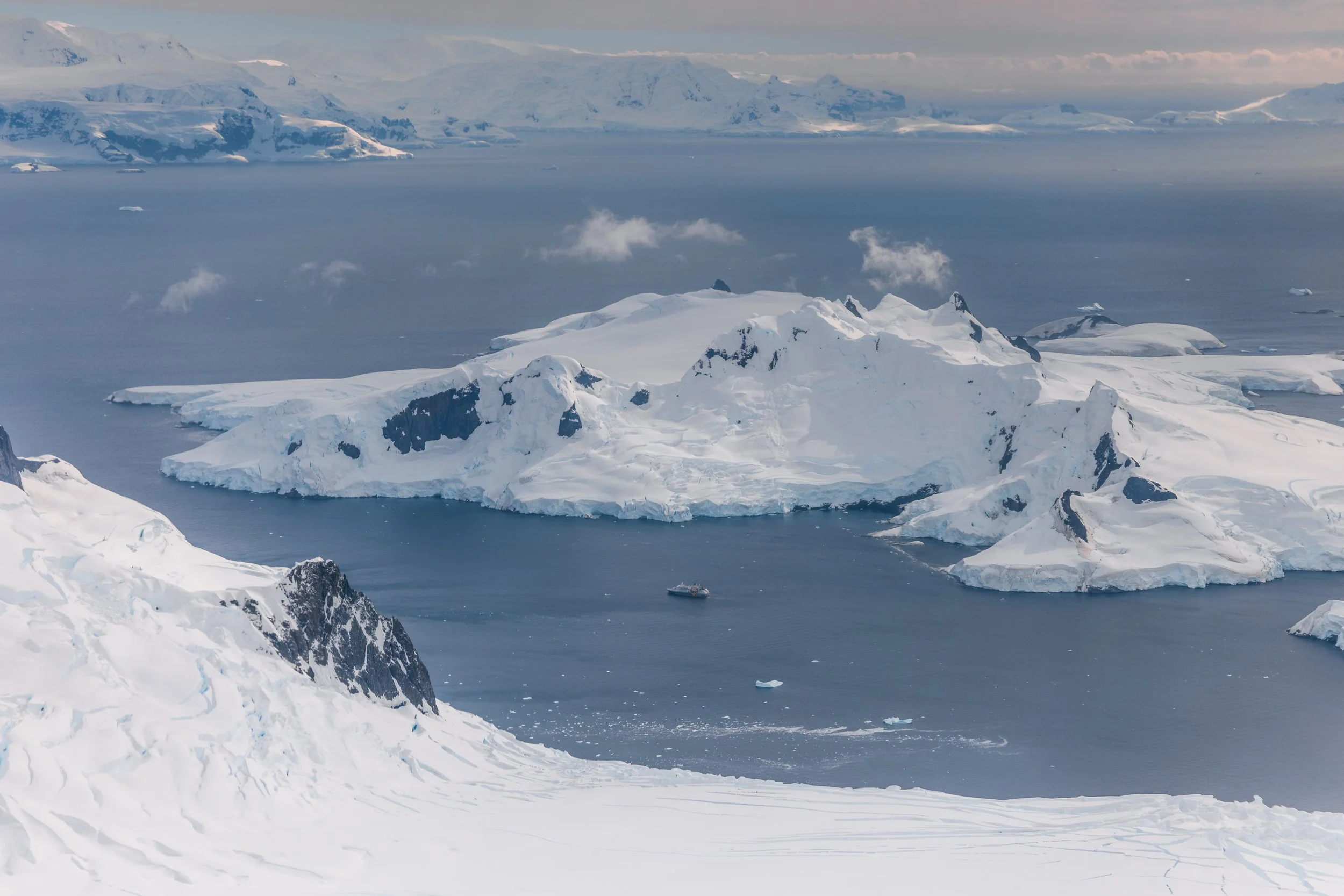
Expedition Cruises to Antarctica, the Arctic and Beyond
Every expedition company can tell you why its own ship is the right choice. Our job is to look across the options and help you sort out route, ship size, landing style, activity level, cabin, inclusions, and the travel logistics around the voyage. Beyond the Castle Travel does not charge planning or booking fees.
The best-known expedition cruise is not automatically the best fit
The cruise line knows its own product. We look at the bigger question: which ship and route make sense for what you want to see, how active you want the trip to be, and how much comfort or expedition intensity you want.
Compare beyond the brochure
Ship capacity, landing procedures, sea crossings, cabin location, included gear, charter flights, and optional activities can matter more than the logo on the brochure.
Choose the right type of trip
A traditional expedition ship is not always the answer. A fly-cruise, a more comfortable vessel, or even a different destination may make more sense depending on your priorities.
Plan the complete journey
The cruise is only one piece. Flights, embarkation hotels, weather buffers, transfers, insurance requirements, and extra nights before or after the voyage can make or break the trip.
What is an expedition cruise?
An expedition cruise is a small-ship trip where the destination drives the day. Instead of water slides and production shows, the schedule is built around Zodiac outings, landings, wildlife, expert briefings, and whatever the weather, ice, and local conditions allow.
Remote access
Smaller expedition ships can reach polar coastlines, narrow fjords, isolated islands and landing sites that are inaccessible to larger vessels.
Expert-led discovery
Naturalists, historians, marine biologists, photographers and expedition leaders help travelers understand what they are seeing.
Active exploration
Depending on the voyage, activities may include Zodiac cruising, hiking, kayaking, camping, snowshoeing or helicopter-supported experiences.
Exploration comes first
A traditional ocean cruise generally follows a published port schedule and emphasizes dining, entertainment and ship amenities. An expedition cruise is designed to respond to nature. A planned landing may move because of wind, ice or wildlife, while an unexpected sighting may become the highlight of the day.
The onboard atmosphere is usually quieter and more educational. Instead of casinos, water parks and production shows, travelers can expect destination briefings, lectures, observation spaces and conversations with the expedition team.
- Smaller ships and fewer guests
- Flexible itineraries based on conditions
- Zodiac operations and expedition landings
- Wildlife, scenery, culture and learning as the focus
- More practical planning around mobility, gear and sea conditions
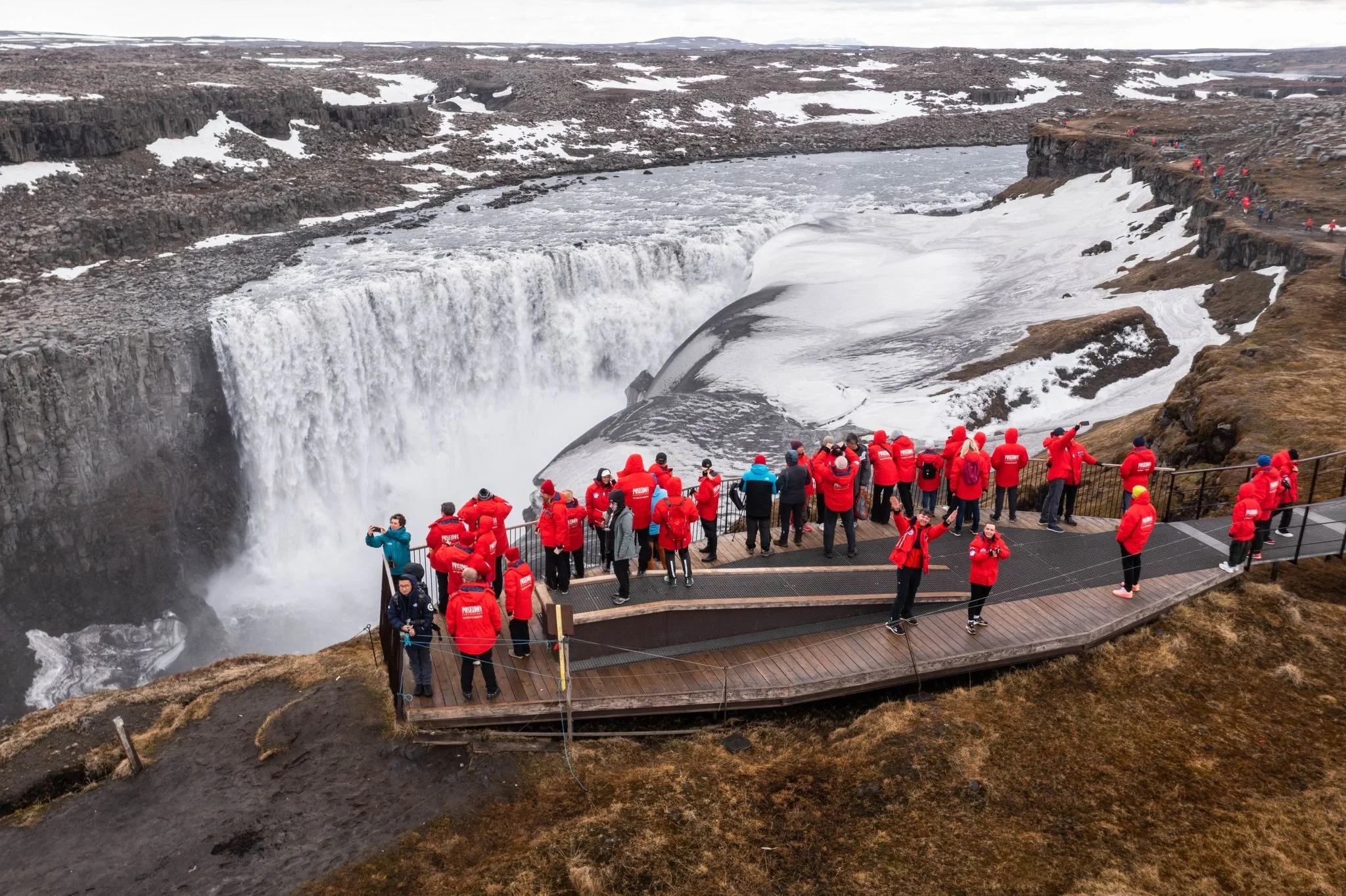
Popular expedition cruise destinations
Expedition cruising is not just Antarctica. Start with what you want to see and do: wildlife, ice, remote communities, photography, hiking, warmer-water exploration, or a particular season.
Antarctica
Penguins, glaciers, icebergs, whales and Zodiac landings make the Antarctic Peninsula the most recognized expedition-cruise destination.
South Georgia & the Falklands
Longer voyages can add vast penguin colonies, seabirds, historic sites and remote sub-Antarctic landscapes.
Svalbard & the Arctic
Glaciers, walruses, seabirds, sea ice and the possibility of polar-bear sightings define many High Arctic routes.
Greenland & Iceland
These voyages combine icebergs, fjords, volcanic scenery, remote communities and long summer daylight.
Galápagos Islands
Small ships, naturalist-led outings, snorkeling and close wildlife encounters make the Galápagos one of the strongest non-polar expedition choices.
Alaska & Baja California
Whales, glaciers, bears, marine life and remote coastlines offer expedition-style exploration without a polar crossing.
Northwest Passage & High Arctic
Longer, logistics-heavy voyages trace Arctic history through remote Canadian waters and require careful route and flight planning.
British Isles & Northern Europe
Rugged islands, wildlife, history and smaller ports can deliver an expedition feel without starting with a fully polar voyage.
No single expedition cruise line is best for every traveler
Poseidon, Atlas, Quark, and National Geographic-Lindblad are not interchangeable. One may give you a smaller traditional polar ship, another more yacht-style comfort, another deeper polar specialization, and another a heavier education and photography focus.

Poseidon Expeditions
Poseidon is built around a more traditional small-ship polar experience aboard the 114-guest Sea Spirit.
- Antarctica, South Georgia, the Falklands and Arctic routes
- Wildlife, Zodiac operations and traditional expedition substance
- Guidance from a Poseidon Polar Advisor
Atlas Ocean Voyages
Atlas puts more emphasis on the onboard side of the trip, pairing expedition destinations with a yacht-style ship, upscale dining, and a more refined atmosphere.
- Polar, cultural and epicurean expedition styles
- Intimate yachts carrying fewer than 200 guests
- Guidance from an Atlas Expedition Expert

Quark Expeditions
Quark is a dedicated polar specialist with a broad Arctic and Antarctic portfolio and advanced adventure options on select voyages.
- Deep specialization in Antarctica and the Arctic
- Helicopter-supported experiences on select Ultramarine routes
- Guidance from a Quark Polar Pro

National Geographic-Lindblad Expeditions
National Geographic-Lindblad leans heavily into naturalists, cultural experts, photography, and learning, with itineraries well beyond the polar regions.
- Purpose-built expedition ships and specialized exploration tools
- Antarctica, Alaska, Galápagos, Baja, the Arctic and beyond
- Strong fit for learning, photography and multigenerational discovery
Which expedition cruise style fits you?
The choice usually comes down to a few things: how traditional you want the expedition to feel, how much comfort matters onboard, the ship size, activity level, route, and how much expert interpretation you want.
Choose Poseidon when
You want a smaller, expedition-first polar ship, wildlife-focused routes and a balance of comfort and value.
Choose Atlas when
You want expedition destinations with more emphasis on yacht-style luxury, dining, design and personalized service.
Choose Quark when
You want a dedicated polar specialist, broad Arctic and Antarctic route choice, or select helicopter-supported experiences.
Choose Nat Geo-Lindblad when
You value expert interpretation, photography, family learning and a broad global portfolio that extends well beyond the polar regions.
Expedition cruise planning details that matter
Expedition cruises often need more lead time than a normal cruise. Small ships, limited cabin categories, kayaking or camping space, charter flights, and remote embarkation cities can fill early.
Ship size
Guest count affects atmosphere, landing rotations, shore time and how quickly everyone can move between ship and Zodiac.
Sea conditions
Open-water crossings, stabilizers and cabin location deserve extra attention for travelers concerned about motion.
Activity level
Zodiac boarding, uneven landings and optional kayaking or camping require an honest discussion of mobility and comfort.
What is included
Parkas, boots, charter flights, hotels, transfers, beverages and adventure activities vary by supplier and itinerary.
Explore Poseidon Expedition Sailings
Use the filters below to search current Poseidon departures by region, season, route, date, kayaking, camping, and starting fare. Poseidon appears here because we can display searchable sailing and cabin data directly on this page. If another operator makes more sense for your route or travel style, we can compare that too. Availability and pricing should be reconfirmed before deposit.
| Expedition | Region | Season | Departure | Kayak | Camp | Cabin Availability | From | Request |
|---|
Adventure does not have to mean giving up comfort
Expedition cruising works well for wildlife lovers, photographers, active retirees and solo travelers, first-time polar travelers, and experienced cruisers who are more interested in the destination than the ship’s entertainment schedule.
Continue your expedition cruise research
Start with the main expedition guide, then use the destination and operator articles to narrow the questions that matter for your trip.
What Is an Expedition Cruise?
Learn how expedition cruises work, what a normal day looks like, and which details matter most before you book.
Read the expedition guide →What Is a Quark Expedition Really Like?
Explore Quark ships, polar specialization, expedition teams, flexible itineraries and adventure options.
Read the Quark guide →Best Time to Visit Antarctica
See how wildlife, snow, daylight, weather and availability change across the Antarctic expedition season.
Read the timing guide →Antarctica vs. the Arctic
See how Antarctica and the Arctic differ in wildlife, scenery, logistics, and the overall feel of the trip.
Read the polar comparison →Is South Georgia Worth It?
See what South Georgia and the Falklands add to a standard Antarctic Peninsula itinerary, and what the extra sea days cost you in time and budget.
Read the South Georgia guide →Can You Visit the North Pole?
Learn what it takes to reach the Geographic North Pole and when a different High Arctic itinerary may make more sense.
Read the North Pole guide →Expedition Cruise FAQ
Find the right expedition cruise
Share what you want from the journey, even if you have not chosen a cruise line. We will review your priorities, compare suitable expedition options and explain the meaningful differences before you decide. If you selected a Poseidon sailing above, its details will already be added to your inquiry.